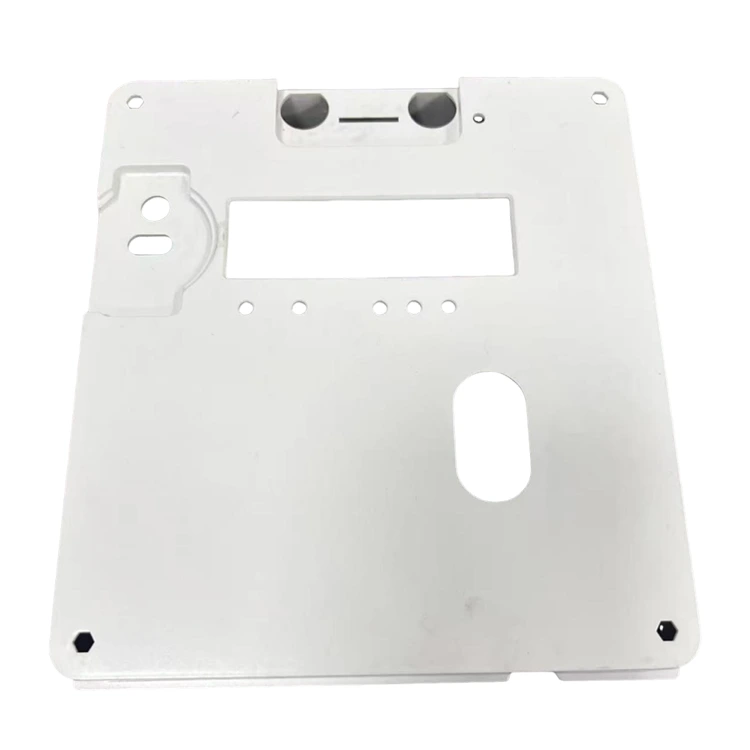
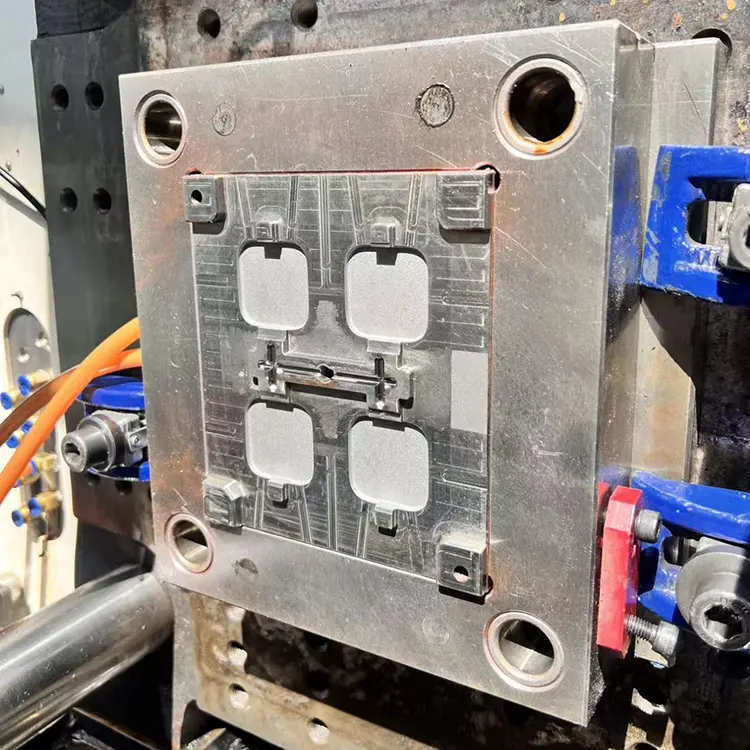
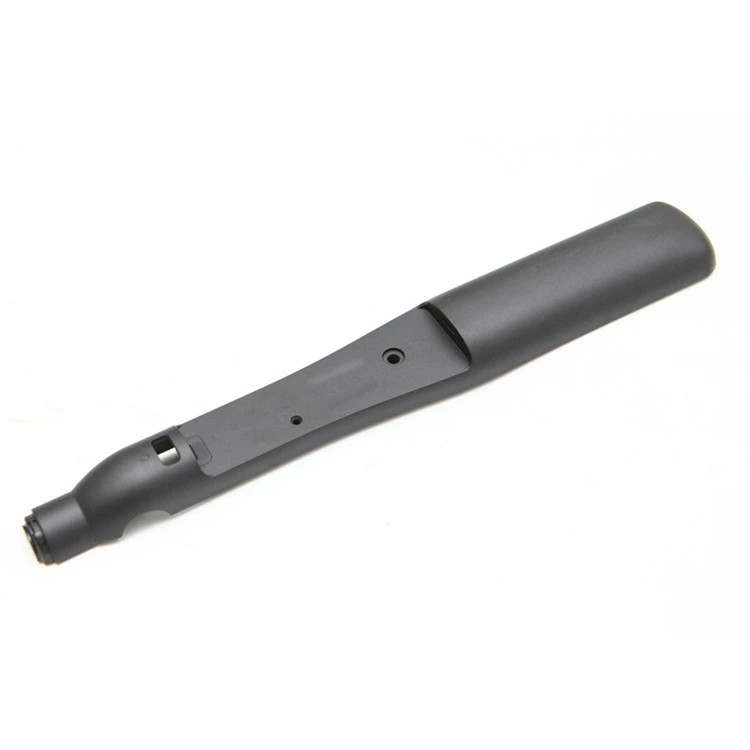
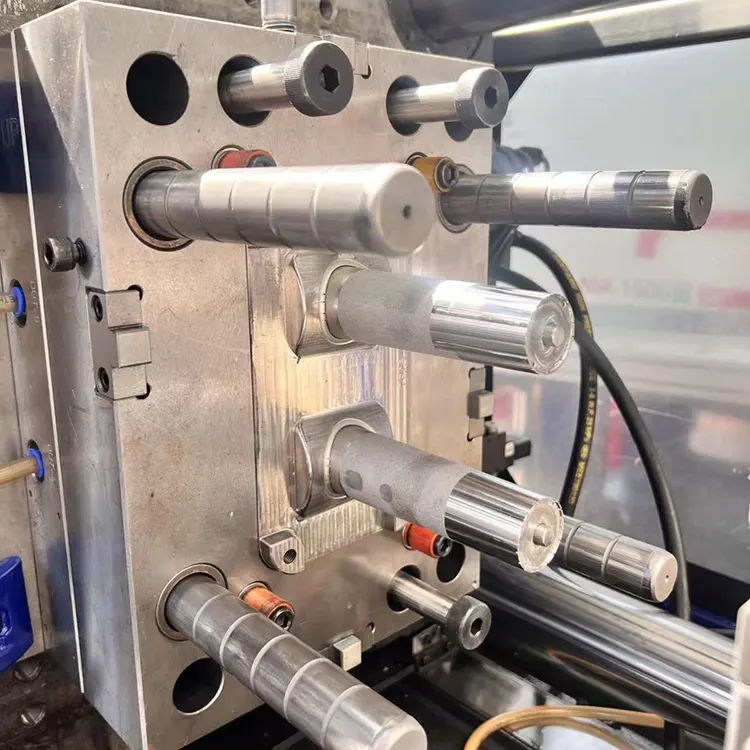
In modern manufacturing, the demand for personalization and precision is increasingly prominent. Customized plastic products, with their exceptional flexibility, have become a crucial bridge connecting design creativity with market reality. They have deeply integrated into all industries, from everyday consumer goods to cutting-edge technology, appearing everywhere.
Core Advantage: Seamless Transformation from Concept to Product
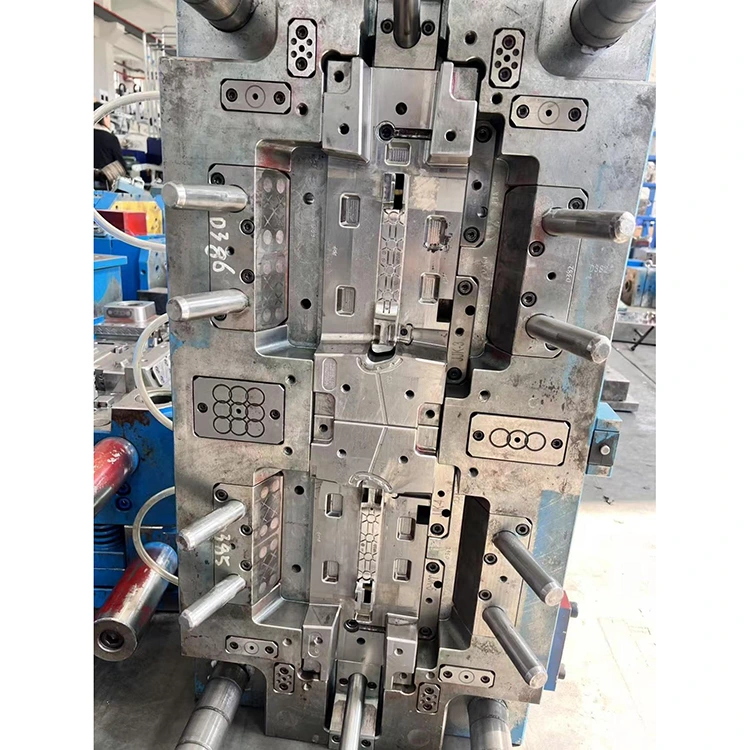
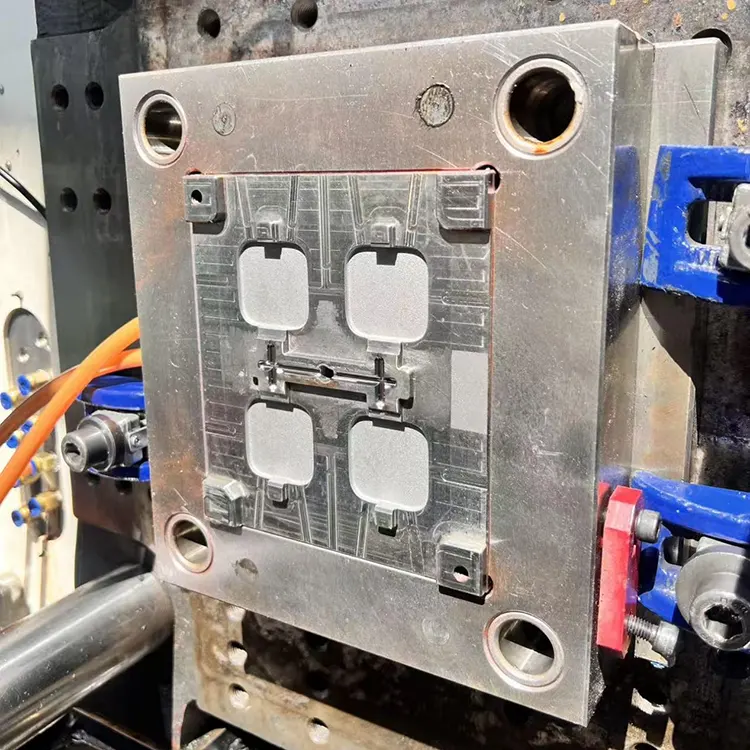
Unlike traditional standardized products, the core of customized plastic products lies in "tailor-made." Businesses or consumers can collaborate closely with manufacturers based on specific functions, appearance designs, structural strength, usage environments, and budgets. Designers translate requirements into 3D drawings, while engineers are responsible for material selection and process planning, ensuring the product achieves the optimal balance between performance, cost, and manufacturability. This model breaks free from the constraints of traditional molds, making it particularly suitable for markets demanding small batches, diverse varieties, and rapid iteration, significantly lowering the innovation threshold and initial investment.
Wide Range of Applications
Its applications are extremely broad:
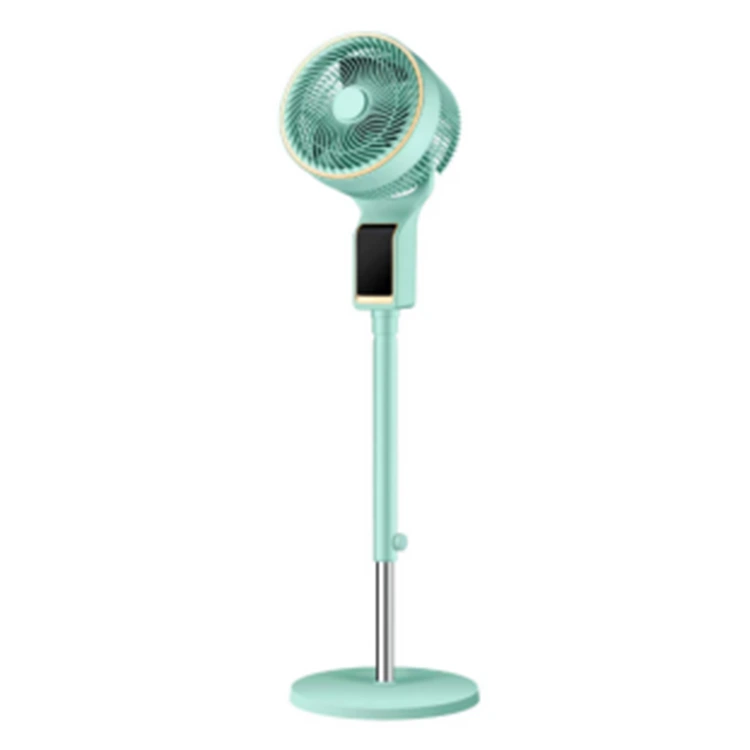
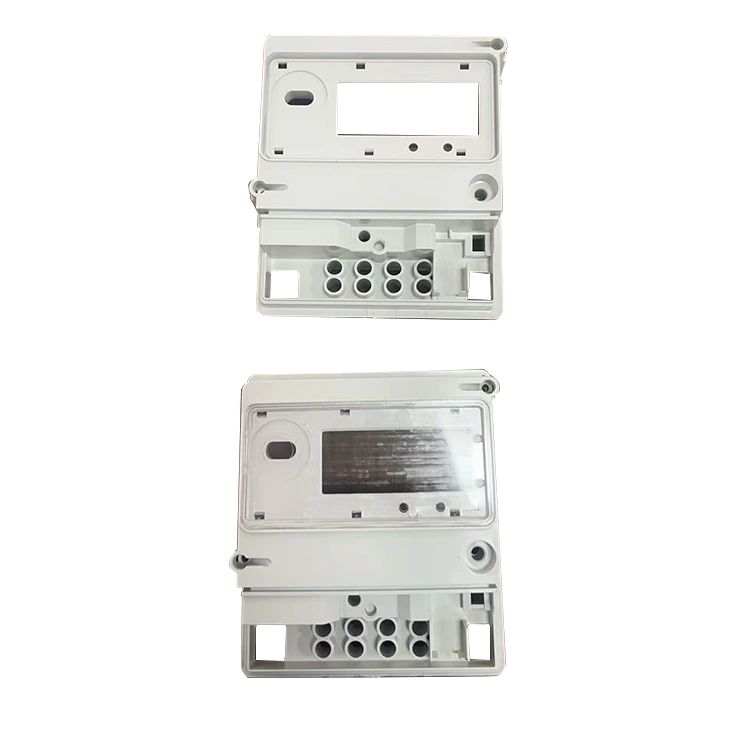
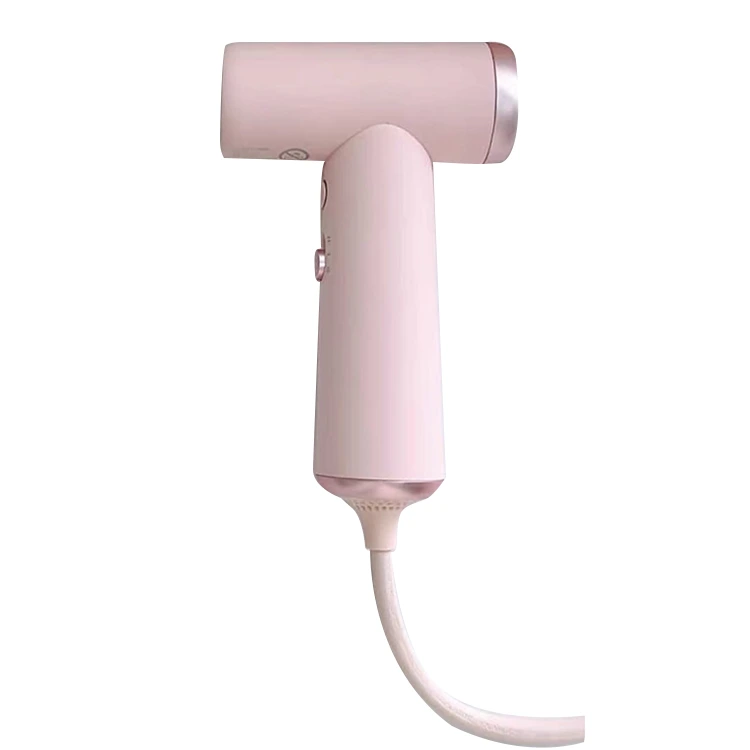
Electronics and Appliances: Precision, thin and lightweight housings, insulating components, and heat dissipation modules, meeting the miniaturization and high integration requirements of electronic devices.
Medical Devices: Disposable consumables, special instrument handles, and housings for testing equipment, with stringent standards for biocompatibility and sterility.
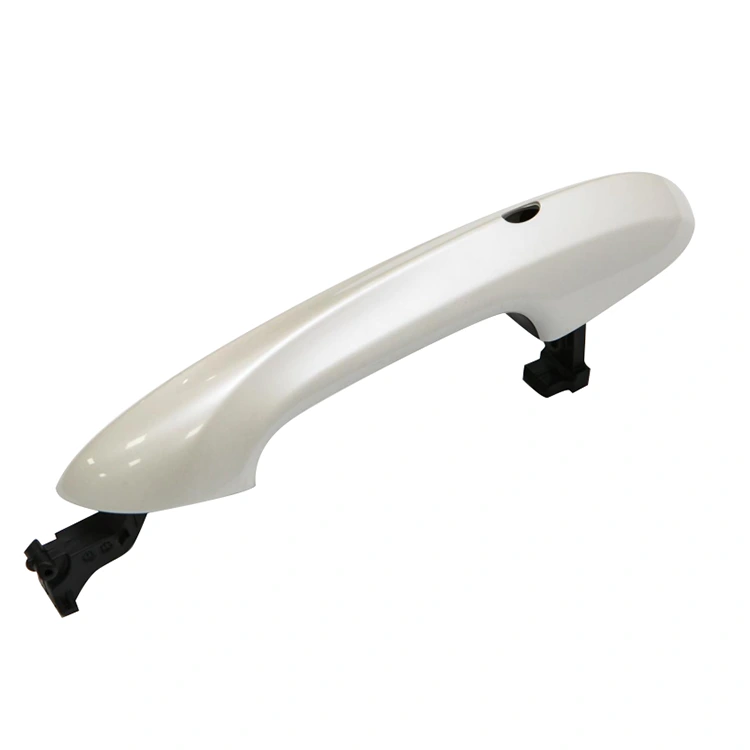
Automotive Industry: Interior components, functional parts, and lightweight structural components, prioritizing durability, aesthetics, and environmental friendliness.
Daily Necessities and Consumer Goods: Unique home furnishings, cultural and creative products, and personalized gifts, showcasing brand characteristics and user taste.
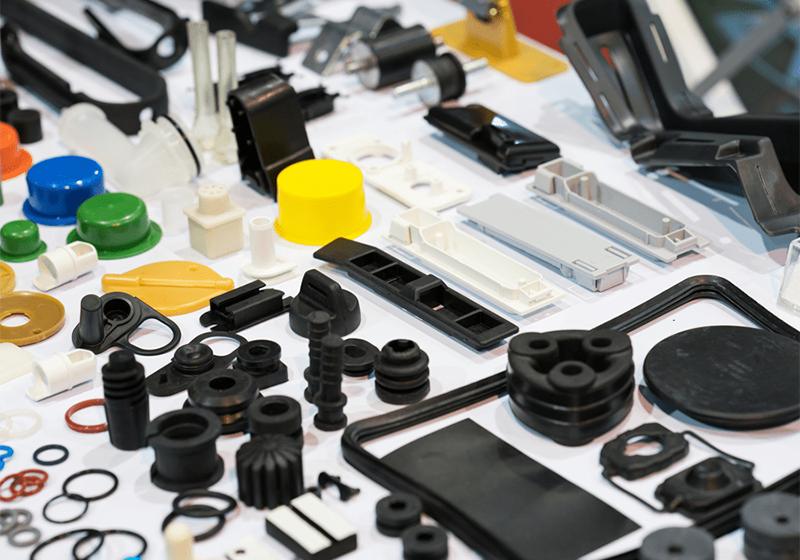
Industrial Parts: Gears, brackets, and seals required for specific equipment, replacing metal to achieve cost reduction and weight reduction.
Future Trends: Intelligent and Green Development in Parallel
With the maturity of technologies such as 3D printing (additive manufacturing), customization processes have become more agile, particularly suitable for prototyping and extremely small-batch production. Simultaneously, the concept of sustainable development is driving the application of bio-based plastics, biodegradable materials, and plastic recycling technologies in the customization field, achieving a balance between environmental protection and performance. Digital platforms also enable online customization, real-time quotations, and progress tracking, comprehensively enhancing the user experience.
In conclusion, customized plastic products have evolved from a simple manufacturing service into a crucial strategic tool driving product innovation and enhancing brand value. It accurately responds to the fragmented and personalized trends in the market, continuously empowering various industries, transforming countless creative ideas into readily available real-world products, and playing an increasingly central role in the future manufacturing ecosystem.
We use cookies to offer you a better browsing experience, analyze site traffic and personalize content. By using this site, you agree to our use of cookies. Privacy Policy