
What is Automotive Camera LCD Bracket Injection Mold and Its Role in Modern Automotive Display Systems?
Automotive display systems and camera integration technologies have rapidly evolved, becoming essential components of modern vehicles. At the core of these systems lies a critical manufacturing component: the Automotive Camera LCD Bracket Injection Mold. This article provides a comprehensive exploration of its structure, manufacturing process, design principles, material selection, quality control methods, and industrial applications. It also highlights common challenges faced by manufacturers and how advanced injection molding solutions help improve precision, durability, and production efficiency. Whether you are an automotive parts designer, procurement specialist, or manufacturer, this guide will help you better understand how injection molds contribute to high-performance automotive camera and LCD bracket systems.
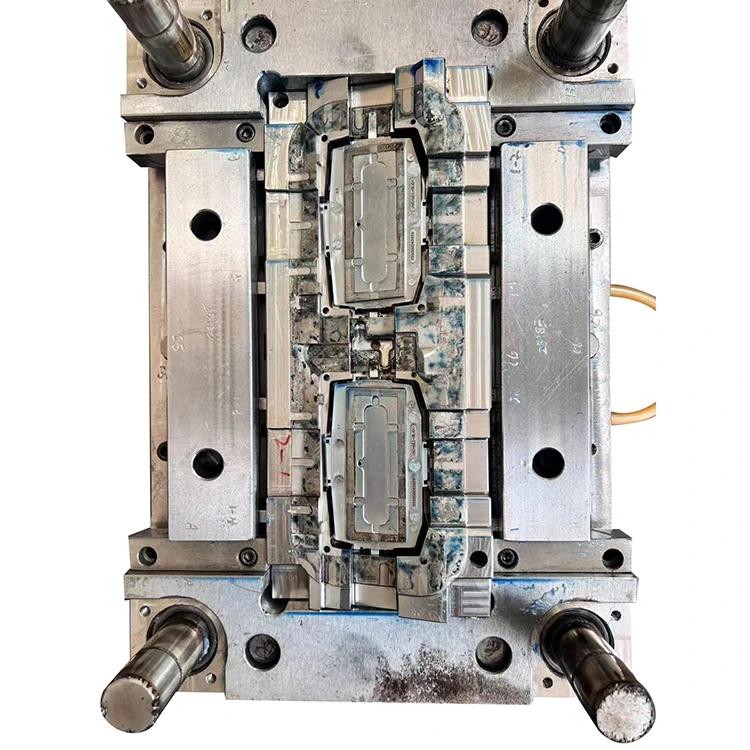
Table of Contents
- Introduction
- Understanding Automotive Camera LCD Bracket Injection Mold
- Importance in Automotive Industry
- Key Design Considerations
- Materials Selection
- Manufacturing Process Explained
- Common Defects and Solutions
- Quality Control and Testing
- Applications in Modern Vehicles
- Cost and Efficiency Factors
- Future Development Trends
- How to Choose the Right Supplier
- Frequently Asked Questions (FAQ)
- Conclusion
Introduction
In the automotive industry, precision and reliability are non-negotiable. As vehicles become smarter and more connected, components such as camera systems and LCD displays require highly accurate supporting structures. The Automotive Camera LCD Bracket Injection Mold plays a vital role in producing these structural parts with consistency and strength.
These molds are designed to manufacture brackets that hold cameras and LCD screens securely within vehicles, ensuring proper alignment, vibration resistance, and long-term durability. Without these precision molds, modern driver assistance systems, parking cameras, and infotainment displays would not function reliably.
Understanding Automotive Camera LCD Bracket Injection Mold
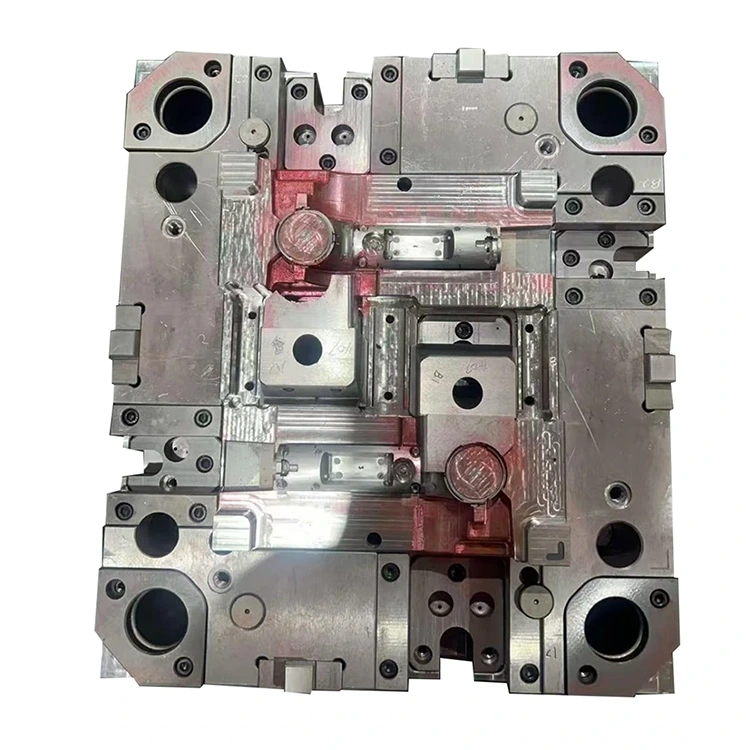
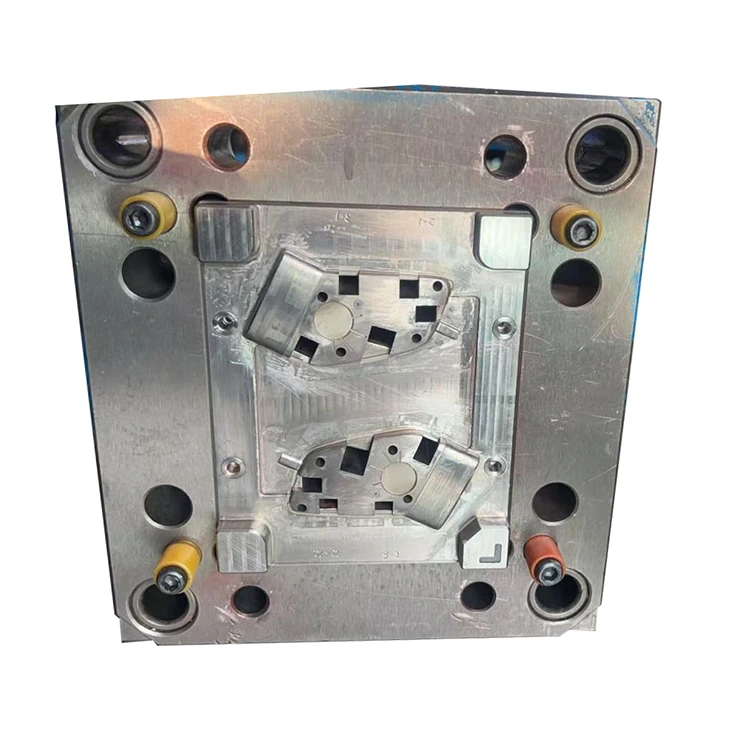
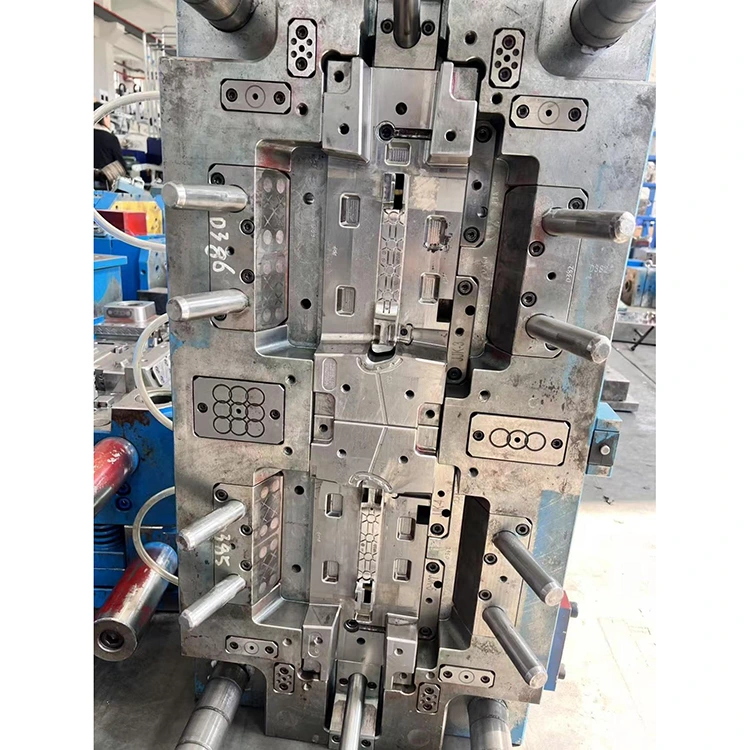
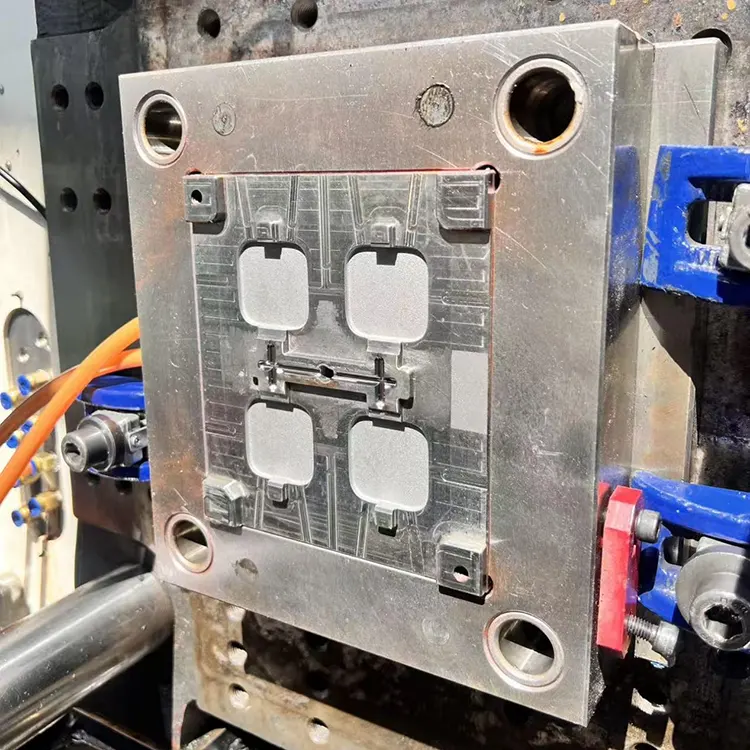
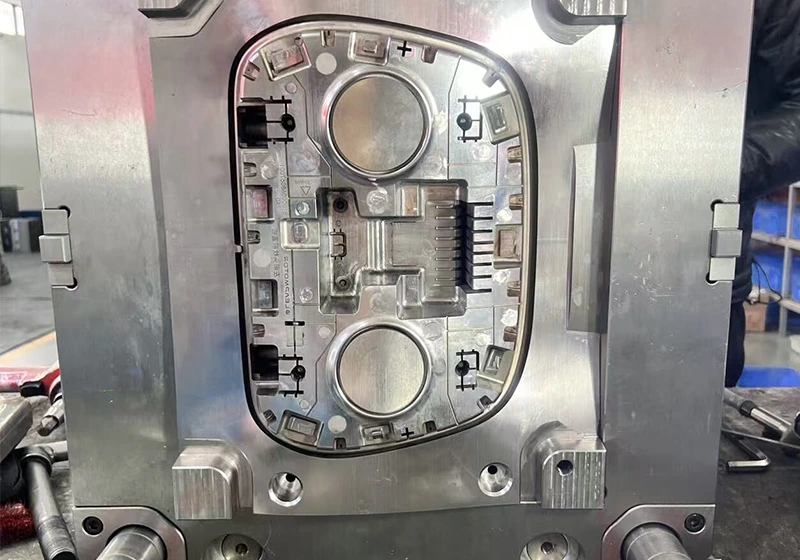
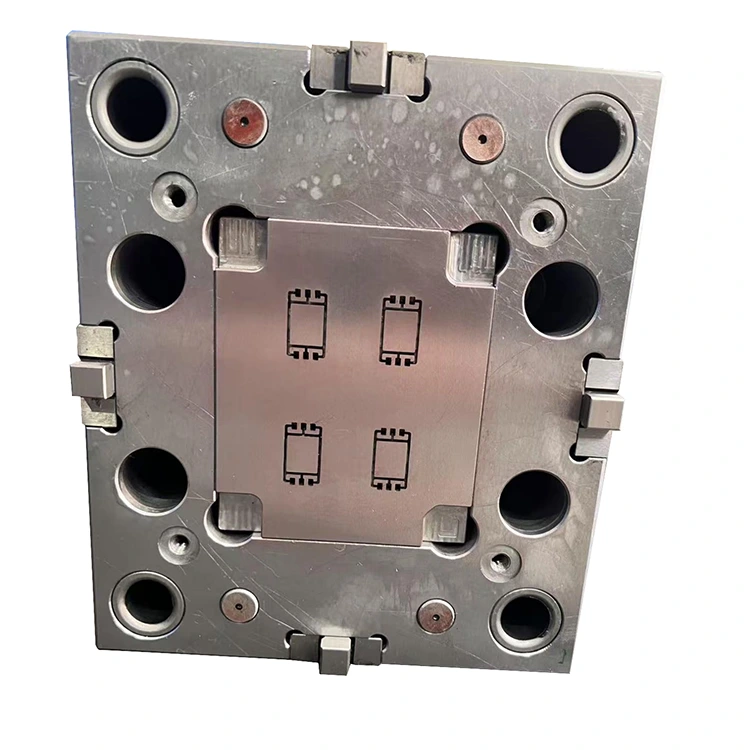
An Automotive Camera LCD Bracket Injection Mold is a specialized tool used in plastic injection molding machines to produce high-precision brackets for automotive electronic systems. These brackets support critical components such as:
- Rearview and surround-view cameras
- Dashboard LCD screens
- Navigation display modules
- Driver assistance systems
The mold itself is engineered with extremely tight tolerances to ensure each produced bracket fits perfectly within vehicle assemblies.
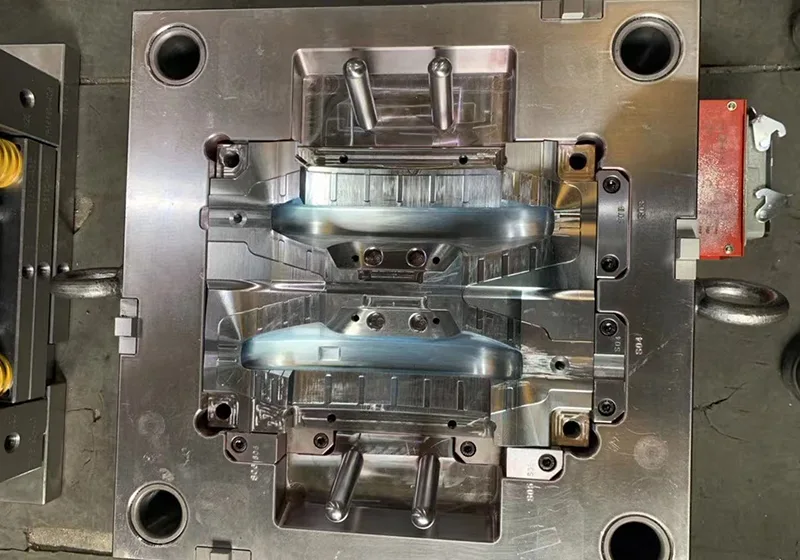
| Component | Function |
|---|---|
| Core and Cavity | Shape the bracket structure |
| Ejection System | Removes finished part safely |
| Cooling System | Controls temperature for accuracy |
| Runner System | Guides molten plastic flow |
Importance in Automotive Industry
The role of these molds extends far beyond simple plastic shaping. They directly influence vehicle safety, user experience, and system reliability. In modern vehicles, even slight misalignment in camera or LCD positioning can lead to functional errors or compromised visibility.
Key importance factors include:
- Ensuring structural stability of electronic components
- Improving driving safety through precise camera alignment
- Enhancing aesthetic integration of interior systems
- Reducing vibration impact during vehicle operation
Key Design Considerations
Designing an Automotive Camera LCD Bracket Injection Mold requires careful engineering analysis. Several factors must be considered:
- Dimensional accuracy: Even 0.01 mm deviation can affect assembly
- Heat resistance: Components must withstand vehicle interior temperatures
- Structural reinforcement: To handle vibration and mechanical stress
- Surface finish: For aesthetic and functional performance
Engineers often use CAD simulations to test mold behavior before manufacturing begins, reducing risks and production errors.
Materials Selection
Material selection plays a decisive role in mold performance and lifespan. Common materials include:
- ABS (Acrylonitrile Butadiene Styrene)
- PC (Polycarbonate)
- PA6 / PA66 (Nylon variants)
- Glass fiber reinforced plastics
Each material offers different advantages such as heat resistance, strength, or flexibility, depending on the application.
Manufacturing Process Explained
The injection mold manufacturing process involves several precise steps:
- Product design and feasibility analysis
- Mold flow simulation
- Steel material preparation
- CNC machining and EDM processing
- Heat treatment for durability
- Assembly and fitting
- Trial molding and adjustment
Each step is critical in ensuring the final mold meets strict automotive standards.
Common Defects and Solutions
| Defect | Cause | Solution |
|---|---|---|
| Warping | Uneven cooling | Optimize cooling channels |
| Flash | Excess injection pressure | Adjust mold clamping force |
| Sink marks | Material shrinkage | Improve packing pressure |
Quality Control and Testing
Quality assurance is essential in automotive mold production. Manufacturers typically perform:
- Dimensional inspection using CMM machines
- Material hardness testing
- Trial injection molding validation
- Durability cycle testing
These processes ensure that every mold meets strict automotive industry standards.
Applications in Modern Vehicles
Automotive Camera LCD Bracket Injection Molds are widely used in:
- Electric vehicles (EVs)
- Autonomous driving systems
- Luxury infotainment dashboards
- 360-degree camera systems
Cost and Efficiency Factors
The cost of injection molds depends on several factors such as complexity, material, production volume, and precision level. High-end automotive molds require significant investment but offer long-term efficiency and reliability benefits.
- Initial design complexity
- Steel grade selection
- Surface treatment requirements
- Production cycle time
Future Development Trends
The future of automotive mold manufacturing is moving toward greater automation and intelligence. Key trends include:
- AI-driven mold design optimization
- 3D printing-assisted prototyping
- Lightweight material innovation
- Smart manufacturing systems
How to Choose the Right Supplier
Selecting the right mold supplier is crucial for ensuring product quality and delivery stability. Key factors include:
- Engineering experience in automotive molds
- Advanced machining equipment
- Quality certification systems
- After-sales technical support
A reliable partner ensures long-term production stability and cost efficiency.
Frequently Asked Questions (FAQ)
Q1: What is the main purpose of an Automotive Camera LCD Bracket Injection Mold?
It is used to manufacture precise brackets that support cameras and LCD displays in vehicles.
Q2: Why is precision so important?
Because even slight deviations can affect camera alignment and display performance.
Q3: What materials are commonly used?
ABS, polycarbonate, nylon, and reinforced plastics are widely used.
Q4: How long does a mold last?
Depending on maintenance and usage, high-quality molds can last hundreds of thousands of cycles.
Q5: Can molds be customized?
Yes, molds are typically fully customized based on vehicle design requirements.
Conclusion
The Automotive Camera LCD Bracket Injection Mold is a foundational component in the evolution of modern automotive electronics. Its precision engineering ensures the stable integration of cameras and display systems, directly impacting safety, usability, and driving experience.
As automotive technology continues to evolve, the demand for higher precision, better materials, and smarter manufacturing processes will continue to grow. Partnering with an experienced mold manufacturer ensures long-term product reliability and competitive advantage in the automotive supply chain.
Cixi Tengrui Mould Manufacturing Co., Ltd. is committed to delivering high-quality injection mold solutions tailored to automotive camera and LCD bracket applications. With advanced equipment, professional engineering support, and strict quality control systems, we ensure every mold meets demanding industry requirements.
Contact us today to discuss your Automotive Camera LCD Bracket Injection Mold requirements and discover how we can support your next automotive project with precision and efficiency.
Related News
- Why Electronic Touchscreen Air Fryer Is Becoming a Smart Kitchen Trend in 2026
- Is Your Automotive Parts Screw Plug Injection Mold Costing You More in Rework Than You Actually Realize?
- Why Are Hot Runner Systems Increasingly Preferred Over Cold Runners for High-Volume Injection Molds?
- Why Is Injection Mold For Car Invisible Door Handle Base Essential For Modern Automotive Manufacturing?
- How Does Automotive Parts Screw Plug Injection Mold Improve Precision and Production Efficiency?
- Why Are Electrical Equipment Injection Molded Products Essential for Modern Industrial Manufacturing?
Leave me a message