
Why Are Electrical Equipment Injection Molded Products Essential for Modern Industrial Manufacturing?
Electrical equipment injection molded products play a critical role in modern industries by improving precision, safety, durability, and production efficiency. From electrical housings and switch components to industrial connectors and insulation parts, injection molding technology allows manufacturers to create reliable products at scale while reducing waste and operational costs.

Article Summary
This article explores the importance of electrical equipment injection molded products, including their manufacturing process, material selection, industrial applications, design considerations, quality standards, advantages, common challenges, and future trends. It also explains how reliable mold manufacturers like Cixi Tengrui Mould Manufacturing Co., Ltd. help businesses improve production efficiency and product consistency.
Table of Contents
- 1. What Are Electrical Equipment Injection Molded Products?
- 2. Why Is Injection Molding Important in Electrical Equipment Manufacturing?
- 3. Which Materials Are Commonly Used?
- 4. How Does the Injection Molding Process Work?
- 5. What Are the Main Applications?
- 6. Key Design Factors for Electrical Molded Components
- 7. Common Problems and Solutions
- 8. Benefits of Working with Professional Mold Manufacturers
- 9. Future Trends in Electrical Injection Molded Products
- 10. FAQ
1. What Are Electrical Equipment Injection Molded Products?
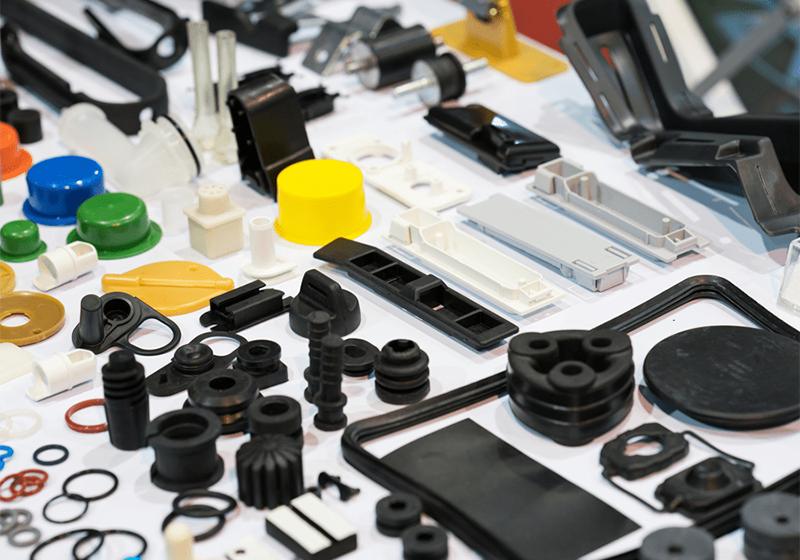
Electrical equipment injection molded products are plastic or polymer-based components manufactured using injection molding technology for electrical and electronic systems. These products are designed to provide insulation, structural support, safety protection, and mechanical stability in various electrical applications.
Common examples include:
- Electrical enclosures
- Switch housings
- Circuit breaker shells
- Terminal covers
- Connector components
- Battery casings
- Industrial control panel parts
- Insulation spacers
- Cable management accessories
These products are widely used in industrial automation, consumer electronics, automotive systems, telecommunications, renewable energy equipment, and household appliances.
| Component Type | Primary Function | Industry Usage |
|---|---|---|
| Electrical Housing | Protect internal circuits | Industrial automation |
| Connector Shell | Secure electrical connection | Telecommunications |
| Battery Case | Thermal and structural protection | Electric vehicles |
| Control Panel Parts | Equipment organization | Manufacturing systems |
2. Why Is Injection Molding Important in Electrical Equipment Manufacturing?
Injection molding has become one of the most efficient manufacturing methods for electrical components because it combines high precision with mass production capability. Modern electrical systems require components with strict dimensional accuracy, excellent insulation properties, and long-term reliability.
Traditional manufacturing methods often struggle to maintain consistency in large production volumes. Injection molding solves this problem by using high-precision molds that create identical parts repeatedly.
Major advantages include:
- High production efficiency
- Reduced manufacturing waste
- Excellent dimensional consistency
- Complex shape capability
- Lower long-term production cost
- Improved electrical insulation performance
- Fast production cycles
- Strong mechanical durability
For electrical equipment manufacturers, consistency is extremely important because even small dimensional deviations may affect electrical safety or assembly performance.
3. Which Materials Are Commonly Used?
Material selection directly affects the safety, performance, and lifespan of electrical injection molded products. Different materials offer different properties such as heat resistance, flame retardancy, mechanical strength, and electrical insulation.
| Material | Main Features | Typical Applications |
|---|---|---|
| ABS | Good strength and surface finish | Consumer electronics |
| PC | Impact resistance and transparency | Electrical covers |
| PA Nylon | Excellent wear resistance | Industrial connectors |
| PBT | Heat resistance and insulation | Automotive electrical systems |
| PP | Chemical resistance | Battery components |
Flame-retardant materials are especially important in electrical equipment manufacturing because they help reduce fire risks and improve safety standards.
4. How Does the Injection Molding Process Work?
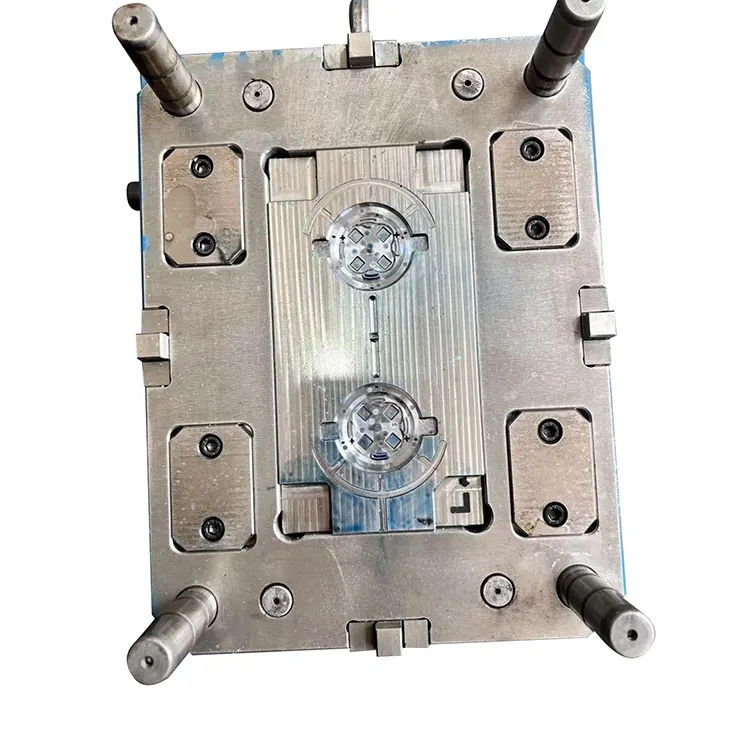
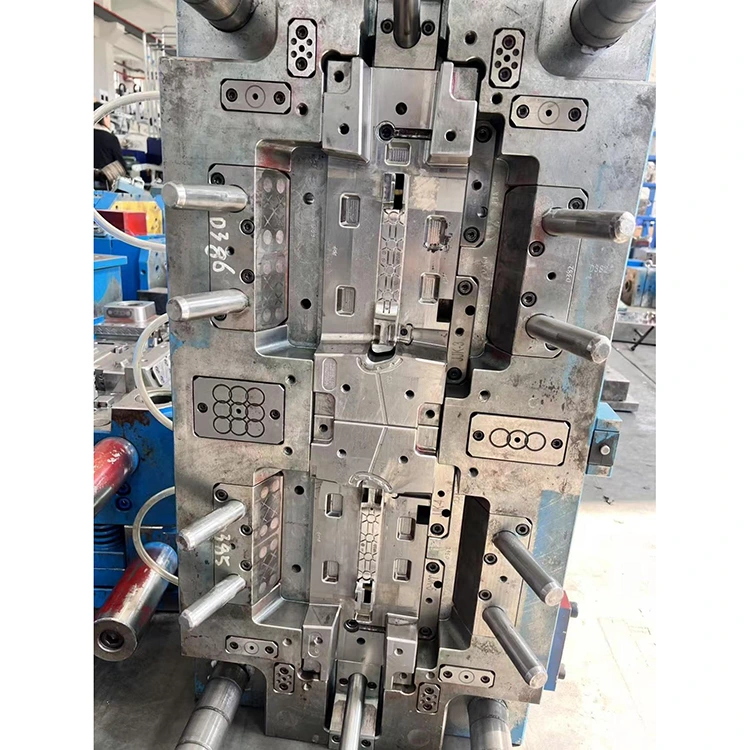
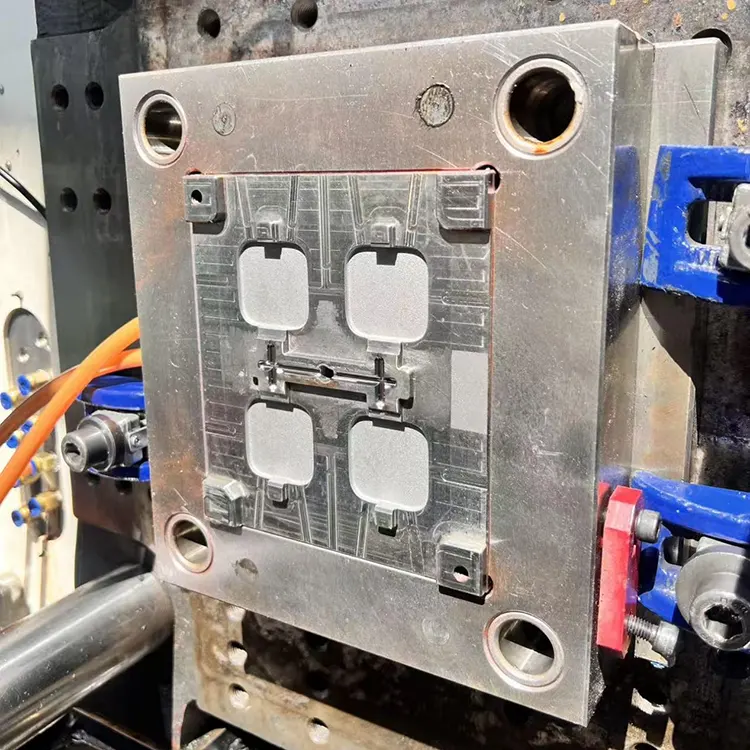
The injection molding process involves melting thermoplastic materials and injecting them into a precisely engineered mold cavity under high pressure.
The process usually includes the following stages:
- Raw material preparation
- Plastic melting and heating
- High-pressure injection into the mold
- Cooling and solidification
- Mold opening
- Product ejection
- Inspection and finishing
High-quality mold design is critical because it determines:
- Dimensional precision
- Surface quality
- Production efficiency
- Product lifespan
- Material flow balance
- Defect prevention
Manufacturers such as Cixi Tengrui Mould Manufacturing Co., Ltd. focus on precision mold engineering to improve production stability and reduce manufacturing defects.
5. What Are the Main Applications?
Electrical equipment injection molded products are used in nearly every modern industry because electrical systems require reliable insulation and structural support.
Industrial Automation
Control boxes, switch housings, relay covers, and sensor components.
Consumer Electronics
Phone chargers, adapter shells, appliance panels, and electronic casings.
Automotive Industry
Battery systems, connector housings, fuse boxes, and EV charging systems.
Renewable Energy
Solar inverter components, electrical insulation parts, and cable protection systems.
As technology advances, the demand for lightweight and high-performance molded electrical parts continues to increase worldwide.
6. Key Design Factors for Electrical Molded Components
Design quality strongly influences production efficiency and final product reliability. Poor mold or component design can lead to cracking, deformation, electrical failure, or production waste.
Important design considerations include:
- Wall thickness uniformity
- Heat resistance requirements
- Electrical insulation standards
- Mechanical strength
- Flame retardancy
- Ventilation and cooling design
- Assembly compatibility
- Moisture resistance
Engineers also analyze material shrinkage and flow behavior to ensure accurate mold dimensions.
Important Tip: Early collaboration between product designers and mold manufacturers can significantly reduce development time and prevent expensive production issues later.
7. Common Problems and Solutions
Manufacturers often face technical challenges during injection molding production. Understanding these issues helps improve product quality and operational efficiency.
| Problem | Possible Cause | Solution |
|---|---|---|
| Warping | Uneven cooling | Optimize mold cooling system |
| Short Shot | Insufficient material flow | Increase injection pressure |
| Flash | Poor mold sealing | Improve mold precision |
| Burn Marks | Trapped air | Enhance venting design |
Consistent quality control and regular mold maintenance are essential for minimizing production defects.
8. Benefits of Working with Professional Mold Manufacturers
Choosing an experienced mold manufacturer is one of the most important decisions for electrical equipment producers. Precision molds directly influence production quality, operational stability, and manufacturing costs.
Professional manufacturers provide:
- Advanced mold design capabilities
- Precision CNC machining
- Material engineering expertise
- Strict quality inspection
- Efficient project management
- Custom mold development
- Long mold service life
- Reliable after-sales support
Cixi Tengrui Mould Manufacturing Co., Ltd. specializes in high-precision mold solutions for electrical equipment applications. Their manufacturing capabilities help customers achieve better dimensional accuracy, lower production defects, and improved operational efficiency.
9. Future Trends in Electrical Injection Molded Products
The electrical equipment industry is rapidly evolving due to technological innovation and increasing global demand for efficient electrical systems.
Key future trends include:
- Lightweight engineering materials
- Smart manufacturing integration
- Automation and robotics
- Eco-friendly material development
- High-temperature resistant polymers
- Miniaturized electrical components
- Electric vehicle expansion
- Advanced precision molding technologies
As industries move toward intelligent manufacturing and sustainable production, high-quality injection molded electrical components will become even more important.
Companies that invest in precision mold technology today are better prepared for future industrial demands and market competition.
10. FAQ
What is the main advantage of injection molded electrical products?
The biggest advantage is the ability to produce highly consistent and precise components efficiently in large volumes while maintaining excellent insulation and durability.
Which industries use electrical injection molded products?
Industries such as automotive, industrial automation, telecommunications, renewable energy, consumer electronics, and home appliances rely heavily on these products.
Why is material selection important?
Different materials provide different properties such as flame resistance, heat stability, impact strength, and insulation performance. Proper material selection ensures safety and product longevity.
How can manufacturers reduce molding defects?
Manufacturers can reduce defects through optimized mold design, proper material processing, controlled cooling systems, and regular maintenance.
What should companies consider when choosing a mold manufacturer?
Companies should evaluate technical expertise, manufacturing precision, quality control systems, customization capability, and project support experience.
Need Reliable Electrical Equipment Injection Molded Products?
Cixi Tengrui Mould Manufacturing Co., Ltd. provides professional mold manufacturing solutions for electrical equipment industries worldwide. Whether you need custom injection molds, precision electrical components, or long-term manufacturing support, our experienced team is ready to help you improve efficiency and product quality.
Contact us today to discuss your next electrical molding project and discover reliable manufacturing solutions tailored to your business needs.
Related News
- Why Electronic Touchscreen Air Fryer Is Becoming a Smart Kitchen Trend in 2026
- Is Your Automotive Parts Screw Plug Injection Mold Costing You More in Rework Than You Actually Realize?
- Why Are Hot Runner Systems Increasingly Preferred Over Cold Runners for High-Volume Injection Molds?
- Why Is Injection Mold For Car Invisible Door Handle Base Essential For Modern Automotive Manufacturing?
- How Does Automotive Parts Screw Plug Injection Mold Improve Precision and Production Efficiency?
- What is Automotive Camera LCD Bracket Injection Mold and Its Role in Modern Automotive Display Systems?
Leave me a message