
Why Is Injection Mold For Car Invisible Door Handle Base Essential For Modern Automotive Manufacturing?
As automotive manufacturers continue to pursue sleek vehicle aesthetics, improved aerodynamics, and enhanced user experiences, invisible door handles have rapidly become a standard feature in modern vehicles. Behind every high-quality invisible door handle lies a precision-engineered injection mold that determines dimensional accuracy, structural strength, surface quality, and production efficiency.
This comprehensive guide explores everything manufacturers, automotive suppliers, and procurement professionals need to know about Injection Mold For Car Invisible Door Handle Base, including design principles, material selection, manufacturing processes, quality control standards, common challenges, cost considerations, and future trends.
Contents
- 1. What Is An Injection Mold For Car Invisible Door Handle Base?
- 2. Why Are Invisible Door Handles Becoming Popular?
- 3. How Does The Injection Molding Process Work?
- 4. What Materials Are Commonly Used?
- 5. What Are The Key Design Requirements?
- 6. Common Manufacturing Challenges
- 7. How To Improve Mold Durability?
- 8. Quality Control Standards
- 9. Cost Factors And ROI Analysis
- 10. Future Trends In Automotive Injection Molds
- 11. Why Choose A Professional Mold Manufacturer?
- FAQ
- Conclusion
1. What Is An Injection Mold For Car Invisible Door Handle Base?
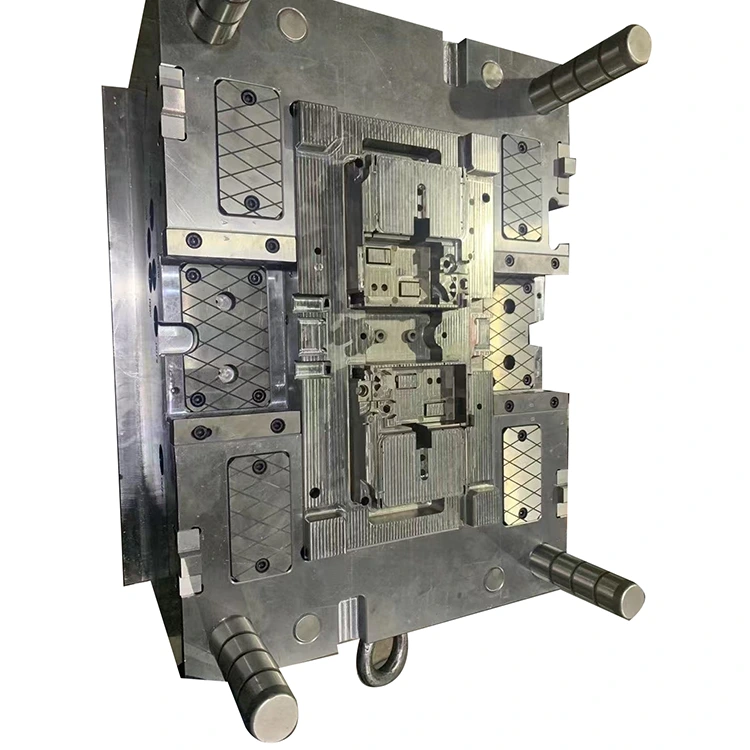
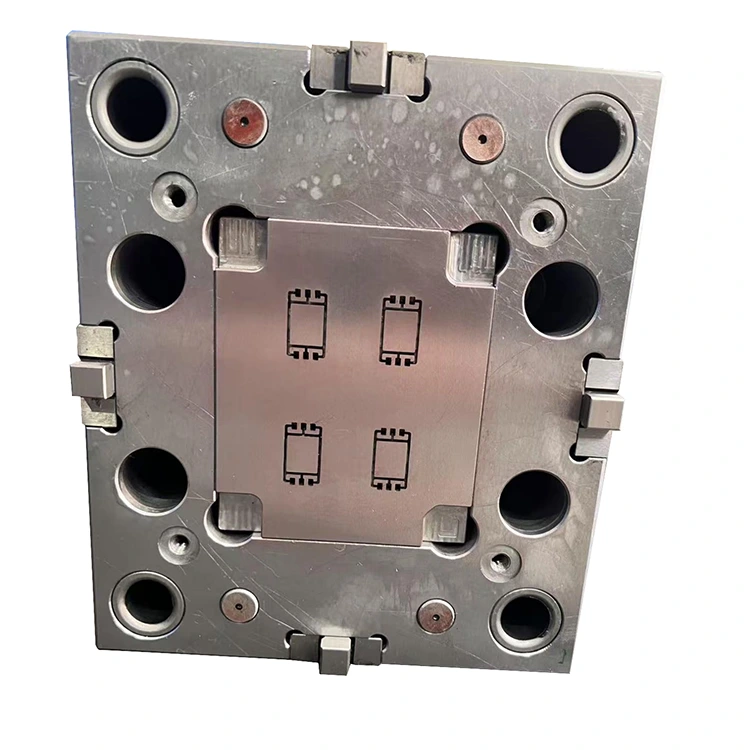
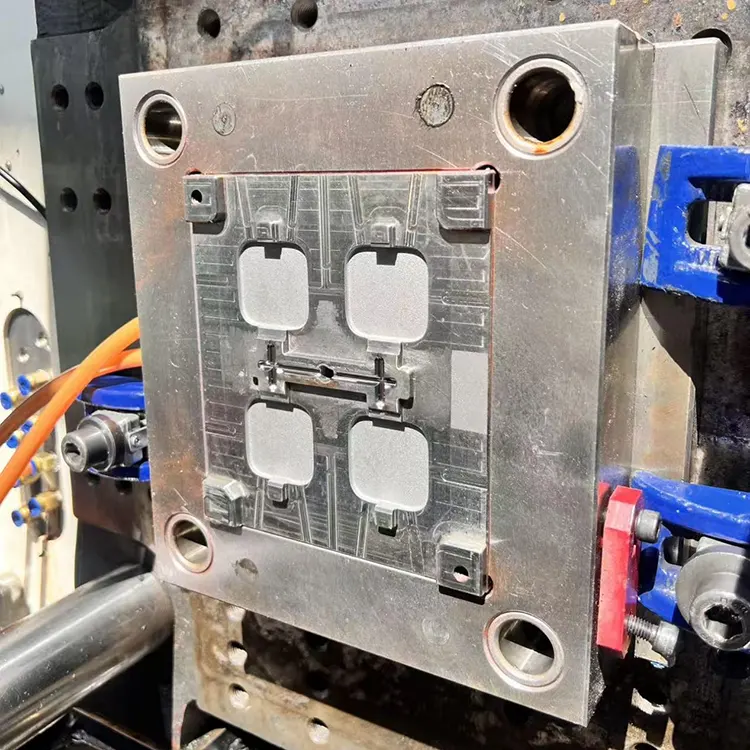
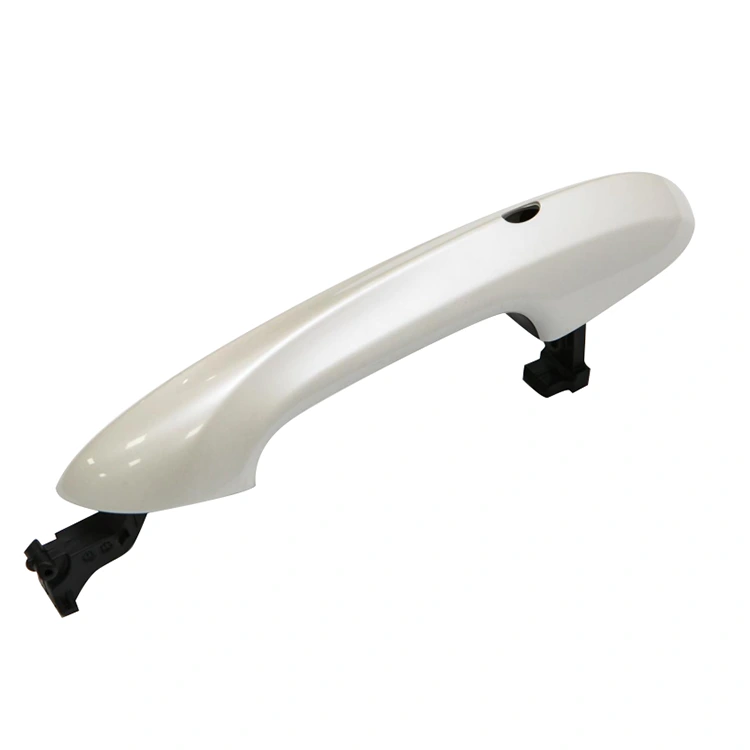
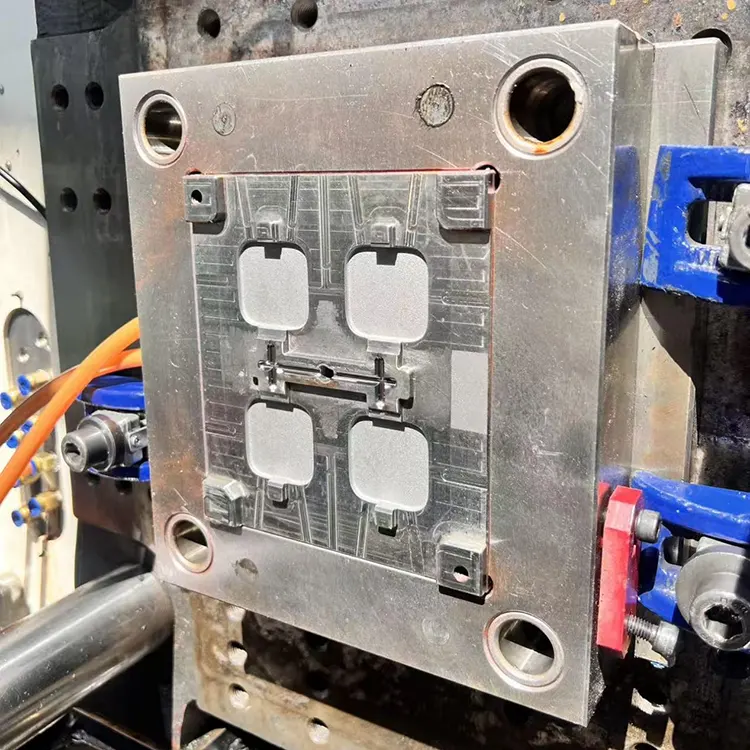
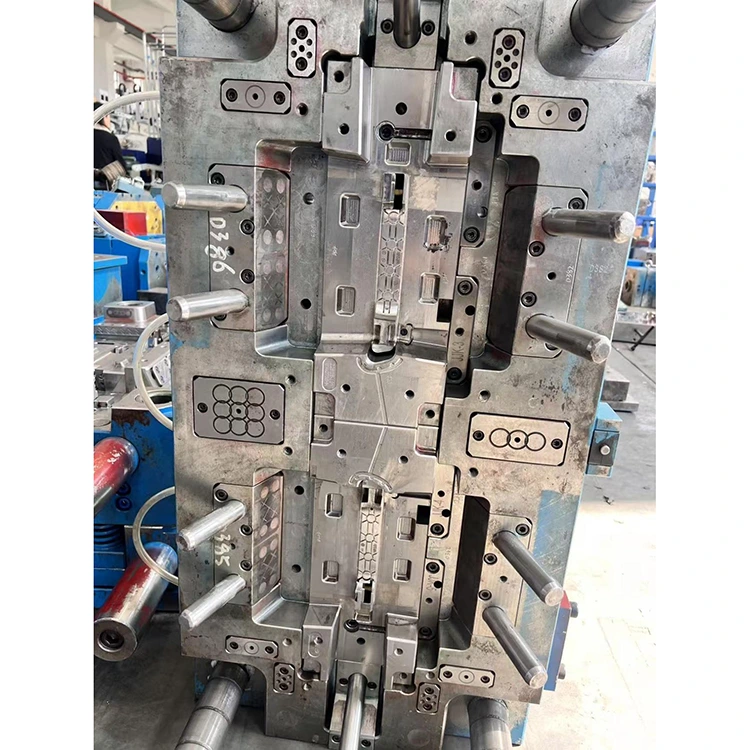
An Injection Mold For Car Invisible Door Handle Base is a specialized precision tool designed to manufacture the structural foundation of a retractable or flush-mounted vehicle door handle. The mold creates complex plastic components that support the handle assembly while ensuring dimensional stability and mechanical performance.
Unlike traditional door handles, invisible door handles require significantly tighter tolerances because they must fit seamlessly into the vehicle body panel while maintaining smooth deployment and retraction functions.
The mold serves as the backbone of mass production, enabling manufacturers to consistently produce thousands or even millions of identical components with minimal variation.
2. Why Are Invisible Door Handles Becoming Popular?
Invisible door handles have become increasingly common in electric vehicles, luxury sedans, and premium SUVs due to several advantages:
- Improved vehicle aerodynamics
- Reduced wind resistance
- Enhanced exterior aesthetics
- Modern technological appearance
- Better energy efficiency
- Reduced noise during driving
Automakers are continuously searching for innovative ways to improve vehicle performance while maintaining elegant design. Invisible door handles perfectly align with these objectives.
| Feature | Traditional Handle | Invisible Handle |
|---|---|---|
| Aerodynamics | Average | Excellent |
| Appearance | Conventional | Premium |
| Vehicle Efficiency | Standard | Improved |
| Technology Perception | Moderate | High |
3. How Does The Injection Molding Process Work?
The manufacturing process involves multiple carefully controlled stages:
- Plastic resin preparation
- Material drying
- Injection into mold cavity
- Pressure holding
- Cooling phase
- Mold opening
- Part ejection
- Quality inspection
Each step influences the final product quality. Even slight deviations in temperature, pressure, or cooling time can result in dimensional inaccuracies or cosmetic defects.
4. What Materials Are Commonly Used?
Material selection significantly affects product performance and durability.
| Material | Advantages | Application Suitability |
|---|---|---|
| ABS | Excellent surface finish | Interior structures |
| PC+ABS | Impact resistance | Door handle bases |
| PA66 | Mechanical strength | High-load components |
| PBT | Dimensional stability | Automotive exterior parts |
| Glass Fiber Reinforced Plastics | High rigidity | Premium automotive systems |
For invisible door handle bases, PC+ABS and reinforced engineering plastics are often preferred due to their balance between strength, appearance, and durability.
5. What Are The Key Design Requirements?
Designing an automotive injection mold requires deep engineering expertise.
- High dimensional accuracy
- Balanced filling system
- Efficient cooling channels
- Minimal warpage
- Uniform shrinkage control
- Optimized gate location
- Smooth ejection mechanism
- Long mold lifespan
Invisible door handle components often feature complex geometries, thin walls, and demanding appearance standards, making mold design particularly challenging.
6. Common Manufacturing Challenges
Manufacturers frequently encounter several technical challenges:
- Sink marks
- Flow lines
- Weld lines
- Short shots
- Flash defects
- Part deformation
- Dimensional instability
- Surface imperfections
Addressing these issues requires advanced mold-flow analysis, precision machining, and process optimization.
7. How To Improve Mold Durability?
Automotive production volumes often require molds capable of producing hundreds of thousands or even millions of cycles.
Several strategies improve durability:
- Use premium mold steel
- Apply surface hardening treatments
- Implement optimized cooling systems
- Conduct preventive maintenance
- Utilize wear-resistant coatings
- Monitor cavity performance regularly
Proper maintenance significantly extends mold service life while reducing production downtime.
8. Quality Control Standards
Automotive parts must meet strict quality requirements.
Typical inspections include:
- Dimensional verification
- Surface appearance inspection
- Mechanical strength testing
- Thermal resistance evaluation
- Assembly validation
- Functional testing
Modern quality systems often utilize coordinate measuring machines (CMM), optical scanners, and automated inspection technologies.
9. Cost Factors And ROI Analysis
The total cost of an injection mold depends on numerous variables.
| Cost Factor | Impact Level |
|---|---|
| Part Complexity | High |
| Mold Steel Grade | High |
| Cavity Number | High |
| Automation Level | Medium |
| Surface Finish Requirements | Medium |
| Testing Requirements | Medium |
Although high-precision molds require substantial upfront investment, they often generate significant savings through reduced scrap rates, higher production efficiency, and longer service life.
10. Future Trends In Automotive Injection Molds
The automotive industry continues evolving rapidly.
Future trends include:
- Smart mold monitoring systems
- AI-assisted mold optimization
- Conformal cooling technology
- Advanced simulation software
- Lightweight material integration
- Sustainable manufacturing practices
- High-speed precision machining
These innovations help manufacturers improve quality while reducing costs and production lead times.
11. Why Choose A Professional Mold Manufacturer?
Selecting an experienced mold partner is crucial for project success.
A professional supplier provides:
- Comprehensive engineering support
- Advanced mold design capabilities
- Precision machining expertise
- Automotive project experience
- Reliable quality assurance
- Fast technical response
- Long-term production support
Companies with extensive automotive mold manufacturing experience can identify potential issues early, reducing development risks and accelerating product launch schedules.
Among trusted industry suppliers, Cixi Tengrui Mould Manufacturing Co., Ltd. has built a reputation for delivering precision injection molds tailored to demanding automotive applications, including invisible door handle systems and other high-performance vehicle components.
Frequently Asked Questions
Q1: What is the typical lifespan of an automotive injection mold?
A high-quality mold can often achieve hundreds of thousands to several million production cycles depending on steel grade, maintenance practices, and operating conditions.
Q2: Which material is best for invisible door handle bases?
PC+ABS and reinforced engineering plastics are commonly selected because they provide excellent strength, dimensional stability, and appearance.
Q3: Why is mold cooling so important?
Efficient cooling improves cycle time, reduces warpage, enhances dimensional consistency, and increases productivity.
Q4: How can manufacturers reduce molding defects?
Proper mold design, material selection, process optimization, and regular maintenance are key factors in minimizing defects.
Q5: Are invisible door handles suitable for mass production?
Yes. With properly engineered injection molds, invisible door handle components can be manufactured efficiently at large production volumes.
Conclusion
The Injection Mold For Car Invisible Door Handle Base plays a critical role in modern automotive manufacturing. From achieving sleek vehicle aesthetics to ensuring structural reliability and mass-production efficiency, the mold directly impacts the quality and performance of the final product.
As automotive design trends continue moving toward intelligent, aerodynamic, and visually seamless solutions, demand for high-precision injection molds will only increase. Manufacturers that invest in advanced mold engineering, robust quality control, and reliable production processes will be better positioned to meet future market expectations.Looking for a reliable partner for automotive injection mold development? Whether you need custom solutions for invisible door handle bases, precision automotive components, or large-scale production tooling, Cixi Tengrui Mould Manufacturing Co., Ltd. is ready to support your project with professional engineering expertise and manufacturing excellence.
Contact us today to discuss your requirements, request a quotation, or explore how our advanced mold solutions can help improve your production efficiency and product quality.
Related News
- Is Your Automotive Parts Screw Plug Injection Mold Costing You More in Rework Than You Actually Realize?
- Why Are Hot Runner Systems Increasingly Preferred Over Cold Runners for High-Volume Injection Molds?
- How Does Automotive Parts Screw Plug Injection Mold Improve Precision and Production Efficiency?
- Why Are Electrical Equipment Injection Molded Products Essential for Modern Industrial Manufacturing?
- What is Automotive Camera LCD Bracket Injection Mold and Its Role in Modern Automotive Display Systems?
- Why Personal Care Appliances Matter for Modern Lifestyles?
Leave me a message