
How Does Automotive Parts Screw Plug Injection Mold Improve Precision and Production Efficiency?
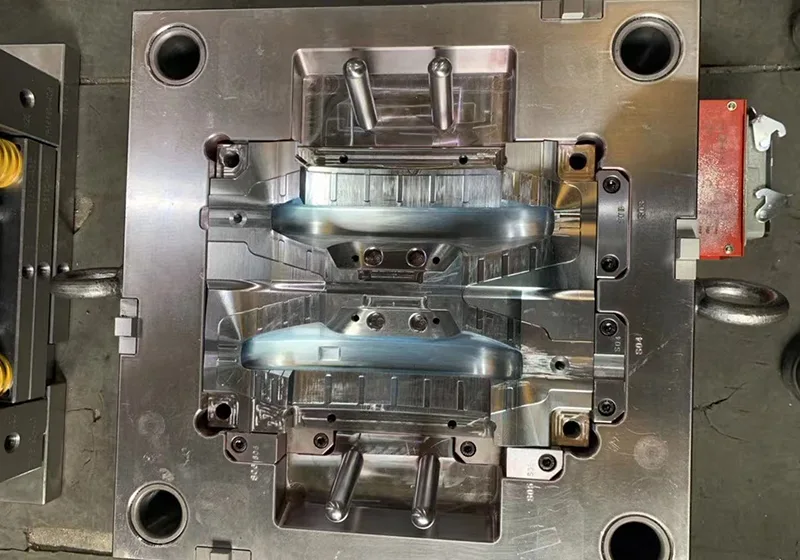
The Automotive Parts Screw Plug Injection Mold plays a crucial role in modern automotive manufacturing, especially in producing high-precision sealing components, threaded plugs, and functional plastic parts used in engines, fluid systems, and structural assemblies. This article explores how advanced mold design improves product consistency, reduces defect rates, and increases production efficiency. It also addresses common industry pain points such as wear resistance, dimensional accuracy, cooling balance, and cycle time optimization.

Table of Contents
- 1. Understanding Automotive Screw Plug Injection Molds
- 2. Key Design Challenges in Mold Development
- 3. Material Selection and Its Industrial Impact
- 4. Precision Engineering in Thread Formation
- 5. Cooling Systems and Cycle Time Optimization
- 6. Common Manufacturing Defects and Solutions
- 7. Comparison Table: Traditional vs Advanced Mold Systems
- 8. Industry Applications and Use Cases
- 9. Maintenance and Longevity Strategies
- 10. Frequently Asked Questions (FAQ)
- Conclusion
1. Understanding Automotive Screw Plug Injection Molds
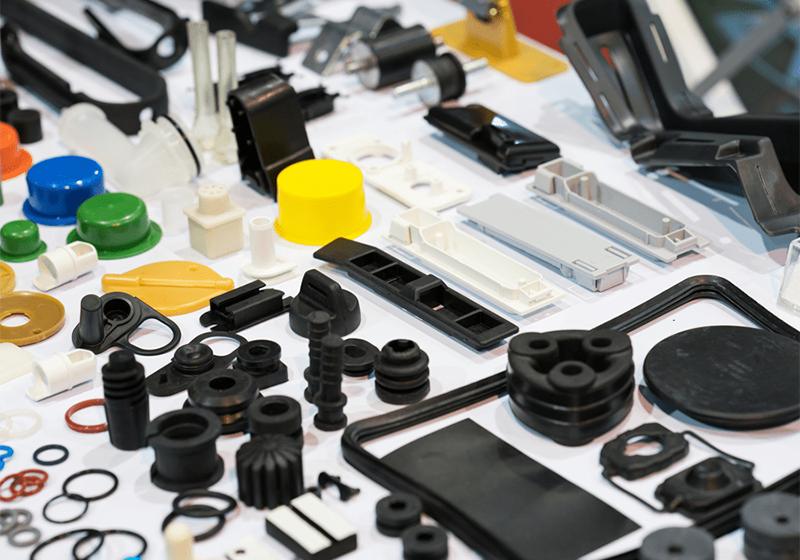
Automotive screw plug injection molds are specialized tooling systems designed to produce threaded plastic components used in vehicles. These components include oil drain plugs, sealing caps, fluid system connectors, and protective closures. Unlike standard injection molds, these molds must ensure both dimensional precision and thread integrity.
The complexity lies in replicating fine threads with consistent pitch and depth while maintaining structural strength under automotive operating conditions such as heat, vibration, and pressure exposure.
2. Key Design Challenges in Mold Development
Designing an effective Automotive Parts Screw Plug Injection Mold involves overcoming multiple engineering challenges:
- Maintaining thread accuracy across high-volume production cycles
- Preventing deformation during cooling shrinkage
- Ensuring consistent material flow into narrow thread cavities
- Reducing cycle time without compromising precision
- Improving ejector system reliability for threaded parts
Even minor misalignment in mold design can lead to defective threads, causing sealing failure in automotive systems.
3. Material Selection and Its Industrial Impact
Material selection directly influences mold durability and product quality. High-performance tool steels and hardened alloys are typically used to withstand abrasion from reinforced engineering plastics.
| Material Type | Advantages | Typical Use |
|---|---|---|
| H13 Tool Steel | High heat resistance, excellent toughness | High-volume automotive molds |
| P20 Pre-hardened Steel | Good machinability, cost-effective | Medium production runs |
| Stainless Steel Alloys | Corrosion resistance, stable performance | Moisture-exposed components |
The right selection reduces maintenance downtime and improves mold lifespan significantly.
4. Precision Engineering in Thread Formation
Thread formation is the core difficulty in screw plug molds. Precision machining technologies such as CNC milling, EDM, and micro-polishing are essential for achieving consistent thread geometry.
Key engineering considerations include:
- Thread pitch accuracy control
- Surface roughness optimization
- Core alignment precision
- Anti-backlash mechanism design
Advanced mold systems often use automatic unscrewing mechanisms powered by hydraulic or servo motors to ensure smooth demolding without damaging the threads.
5. Cooling Systems and Cycle Time Optimization
Efficient cooling design is essential for reducing production cycle time while maintaining dimensional stability. Uneven cooling can cause shrinkage, warping, or internal stress in screw plug components.
Best practices include:
- Conformal cooling channel design
- Optimized water flow distribution
- Thermal simulation before mold manufacturing
- High-conductivity mold inserts
By improving cooling efficiency, manufacturers can reduce cycle time by up to 20–35% in optimized systems.
6. Common Manufacturing Defects and Solutions
Even with advanced design, defects may still occur in injection molding processes. Below are common issues and their solutions:
| Defect | Cause | Solution |
|---|---|---|
| Thread deformation | Improper cooling or ejection force | Optimize cooling channels and ejector timing |
| Short shot | Insufficient material flow | Increase gate size or injection pressure |
| Burr formation | Mold misalignment | Improve mold clamping precision |
| Surface defects | Rough cavity surface | Polish mold cavity and improve material quality |
7. Comparison Table: Traditional vs Advanced Mold Systems
| Feature | Traditional Mold | Advanced Screw Plug Mold |
|---|---|---|
| Precision | Moderate | High accuracy with CNC + EDM |
| Cycle Time | Longer | Optimized and reduced |
| Thread Quality | Inconsistent | Highly stable and repeatable |
| Maintenance | Frequent repairs | Extended lifespan with lower downtime |
8. Industry Applications and Use Cases
Automotive screw plug injection molds are widely used across multiple vehicle systems:
- Engine oil drain plug systems
- Transmission fluid sealing components
- Cooling system caps and connectors
- Fuel system protective plugs
- Electrical housing sealing elements
These applications require high resistance to temperature fluctuations, chemical exposure, and mechanical stress.
9. Maintenance and Longevity Strategies
Proper maintenance is essential for sustaining mold performance over long production cycles. Key strategies include:
- Regular cleaning of cavity and core surfaces
- Lubrication of moving components
- Inspection of thread wear and alignment
- Timely replacement of ejector pins and inserts
Preventive maintenance reduces unexpected downtime and ensures consistent product quality.
10. Frequently Asked Questions (FAQ)
Q1: What makes screw plug injection molds different from standard molds?
They require precise thread-forming capability and often include unscrewing mechanisms for demolding.
Q2: Which materials are best for automotive screw plug molds?
Hardened tool steels like H13 and corrosion-resistant alloys are commonly used.
Q3: How can cycle time be reduced in production?
By improving cooling channel design and optimizing injection parameters.
Q4: What causes thread defects in molded parts?
Common causes include poor alignment, insufficient cooling, and improper ejection force.
Q5: Are these molds suitable for mass production?
Yes, they are specifically designed for high-volume, precision manufacturing environments.
Conclusion
The Automotive Parts Screw Plug Injection Mold is a critical engineering solution that ensures precision, durability, and efficiency in automotive component manufacturing. From material selection to cooling system optimization, every detail contributes to overall performance and product reliability.
With continuous advancements in mold design technology, manufacturers can achieve higher productivity while maintaining strict quality standards required by the automotive industry.
For professional mold solutions, customization support, and technical consultation, Cixi Tengrui Mould Manufacturing Co., Ltd. provides reliable expertise and advanced manufacturing capability.
If you are looking for high-performance tooling solutions or customized injection mold development, feel free to contact us to discuss your project requirements and get tailored engineering support.
Related News
- Is Your Automotive Parts Screw Plug Injection Mold Costing You More in Rework Than You Actually Realize?
- Why Are Hot Runner Systems Increasingly Preferred Over Cold Runners for High-Volume Injection Molds?
- Why Is Injection Mold For Car Invisible Door Handle Base Essential For Modern Automotive Manufacturing?
- Why Are Electrical Equipment Injection Molded Products Essential for Modern Industrial Manufacturing?
- What is Automotive Camera LCD Bracket Injection Mold and Its Role in Modern Automotive Display Systems?
- Why Personal Care Appliances Matter for Modern Lifestyles?
Leave me a message