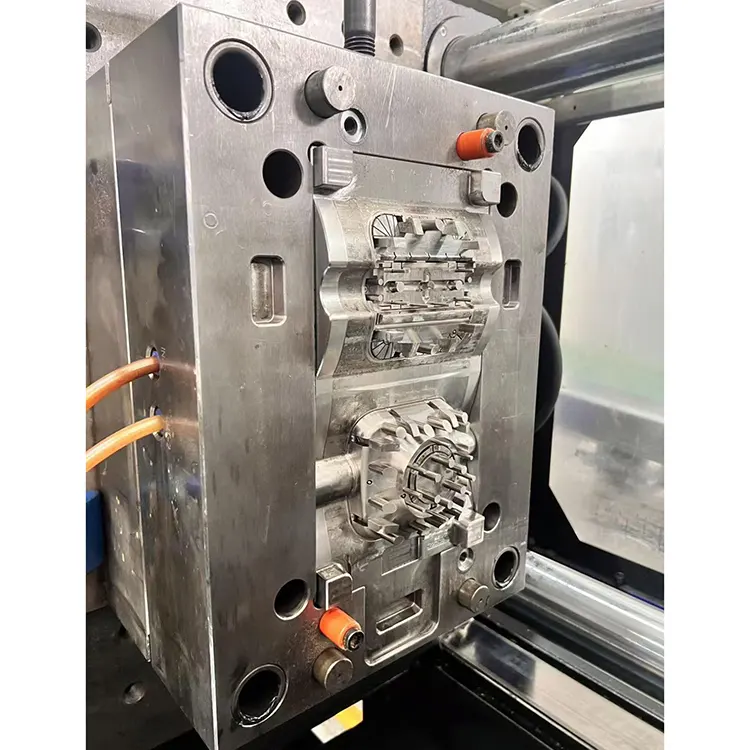
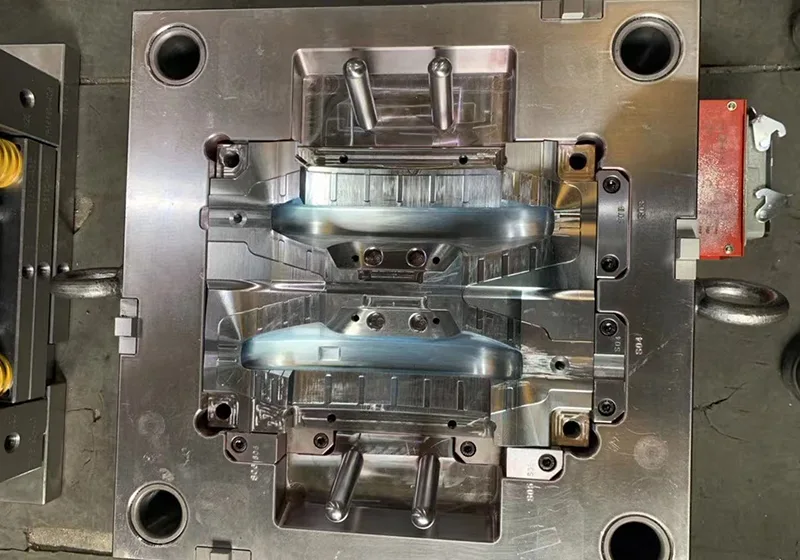
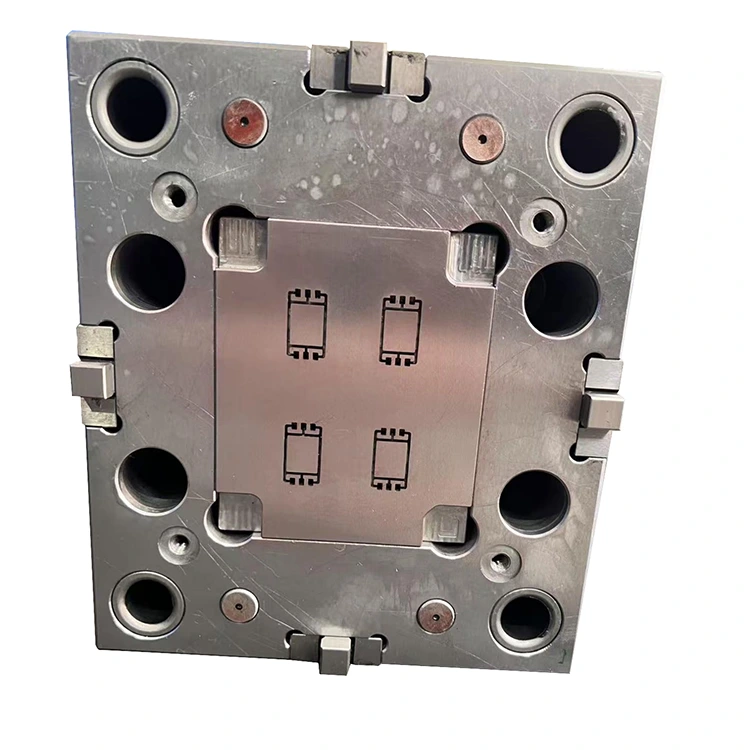
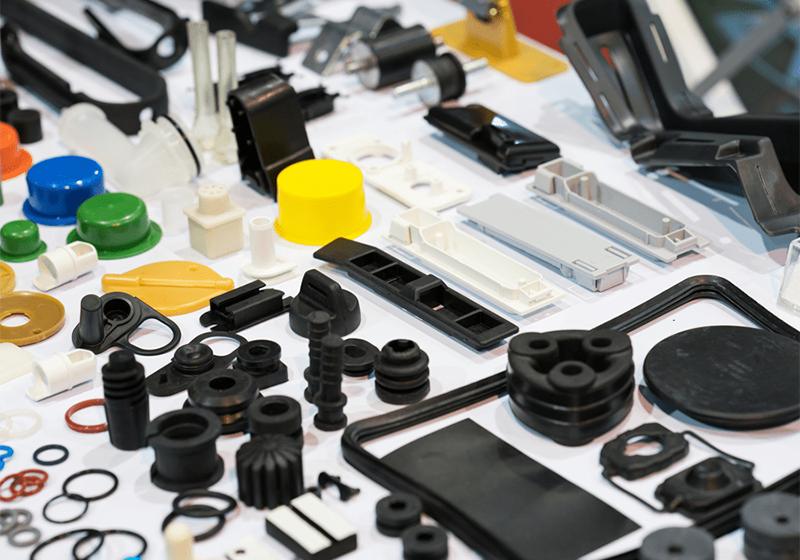
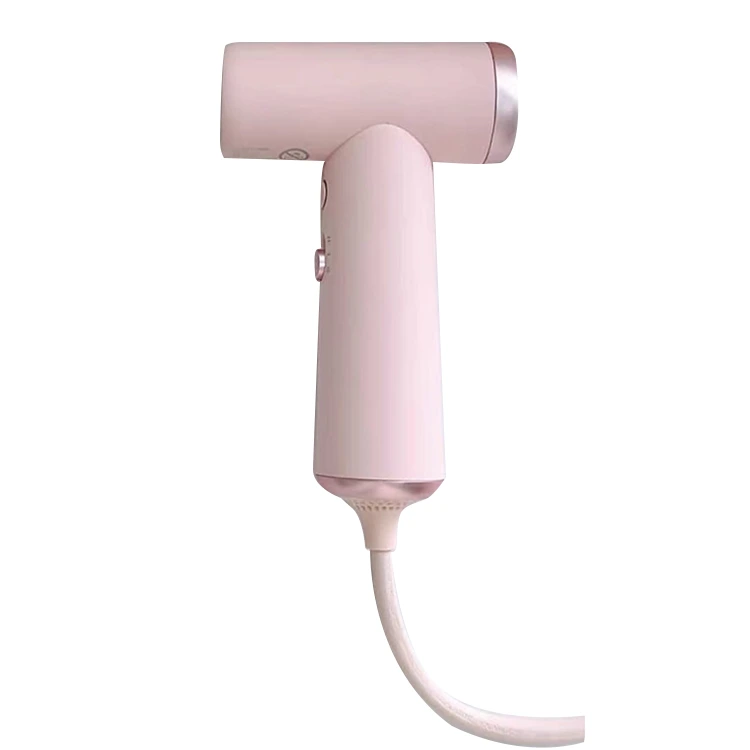
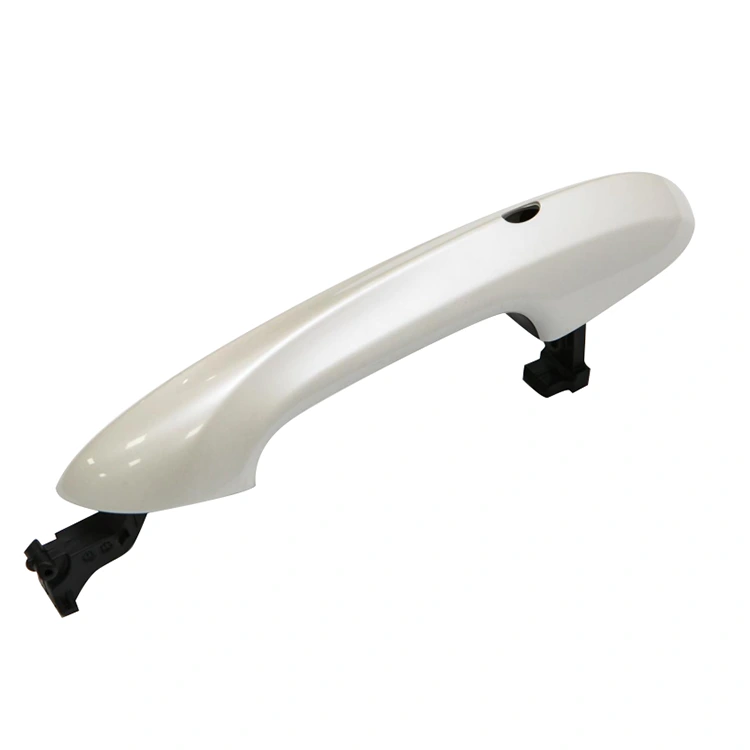
In the high-end manufacturing field, which pursues ultimate performance and miniaturization, high-precision injection molds play an irreplaceable and crucial role. They have transcended the traditional concept of molds, becoming cutting-edge engineering systems integrating precision machining, materials science, fluid analysis, and intelligent control. They are the fundamental guarantee for achieving microgram-level weight control and micrometer-level dimensional accuracy.
Precision Definition and Ultimate Challenges
High precision typically refers to the dimensional accuracy of the mold itself reaching the micrometer (µm) level, with stringent tolerances for the produced plastic products, often within ±0.01mm or even higher. This requires the mold to possess:
Exceptional rigidity and stability: Minimal deformation under high-temperature and high-pressure cyclic loading, often achieved using pre-hardened high-quality mold steel or materials with even higher hardness.
Near-perfect cavity surface finish: Mirror polishing or special texture processing ensures smooth demolding and a flawless surface.
Ultimately balanced cooling system: Precisely calculated conformal cooling water channels ensure rapid and uniform cooling of the product, reducing internal stress and deformation.
Precision guiding and venting: Eliminates mold opening and closing errors and efficiently removes gas from the mold cavity, preventing material shortages or scorching.
Its manufacturing is a challenge to the limits of technology, relying on top-tier equipment such as five-axis high-speed CNC, precision wire EDM, mirror EDM, and coordinate grinding, and is hand-refined and assembled by experienced technicians.
Core Applications Driving Innovation: High-precision molds are the driving force behind the upgrading of many high-tech industries:
Electronics and Communications: Manufacturing micro-connectors, crystal oscillator brackets, mobile phone optical lenses, chip packages, etc., where precision directly affects signal transmission and equipment performance.
Medical Devices: Producing precision gears for insulin pens, microfluidic chips, endoscope components, and surgical instrument joints, which are crucial to life, health, and treatment outcomes.
Optics: Used for molding aspherical lenses, light guide plates, and Fresnel lenses, meeting stringent optical performance specifications.
Automotive Precision Components: Such as engine sensor housings, transmission precision gears, and ADAS system optical components.
Miniaturized Consumer Products: Such as structural components for smart wearable devices and contact lens edges. Technological Frontiers and Development Trends
The future development of high-precision injection molds is deepening along the following directions:
Micro-injection molding and nano-molding: Used for manufacturing micro-parts with milligram-level weight and submicron-level features.
In-mold sensing and intelligent monitoring: Integrating pressure and temperature sensors to achieve closed-loop process control and predictive maintenance.
New mold materials and surface treatment technologies: Such as 3D-printed conformal cooling molds, high thermal conductivity materials, and ultra-wear-resistant coatings, further improving lifespan and performance.
Deep integration with automation and information technology: As a key component of smart factories, enabling fully digital production and management.
In short, high-precision injection molds are the "birthplace" of precision plastic products, representing the level of a country's high-end equipment manufacturing industry. They sculpt the future with millimeter-level precision, continuously driving thinner and lighter electronic products, more reliable medical devices, and superior automotive performance; they are a shining jewel in the crown of high-end manufacturing.
We use cookies to offer you a better browsing experience, analyze site traffic and personalize content. By using this site, you agree to our use of cookies. Privacy Policy