
Why Are Hot Runner Systems Increasingly Preferred Over Cold Runners for High-Volume Injection Molds?
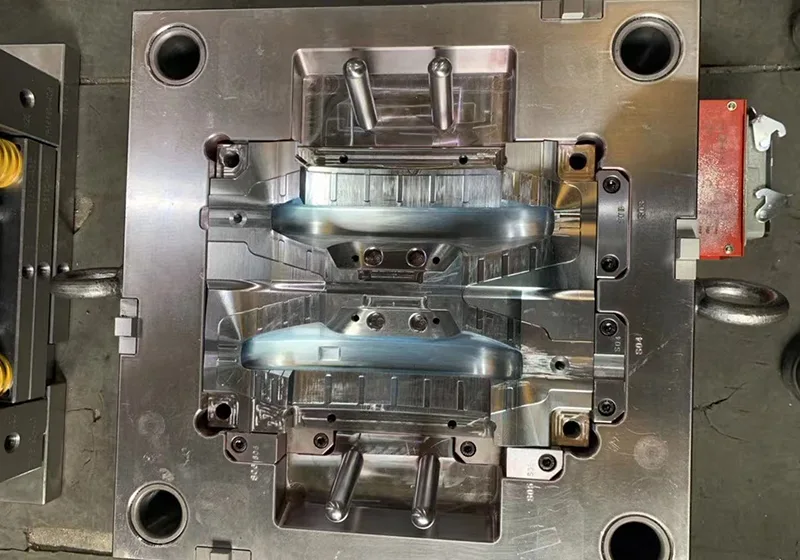
Cixi Tengrui Mould Manufacturing Co., Ltd. explores why Single Injection Molds with hot runner technology are gaining attention as production demands increase in automotive and appliance industries.
The Shift Toward Smarter Injection Mold Solutions
In high-volume plastic production, every small improvement in efficiency can influence overall manufacturing performance. As industries such as automotive components, household appliances, and electronic equipment continue to require more complex plastic parts, injection mold technology is also evolving.
One noticeable change is the growing preference for hot runner systems instead of traditional cold runner structures. The reason is not simply about new technology adoption. It is closely connected with practical production challenges, including material waste, cycle time, part consistency, and long-term operating costs.
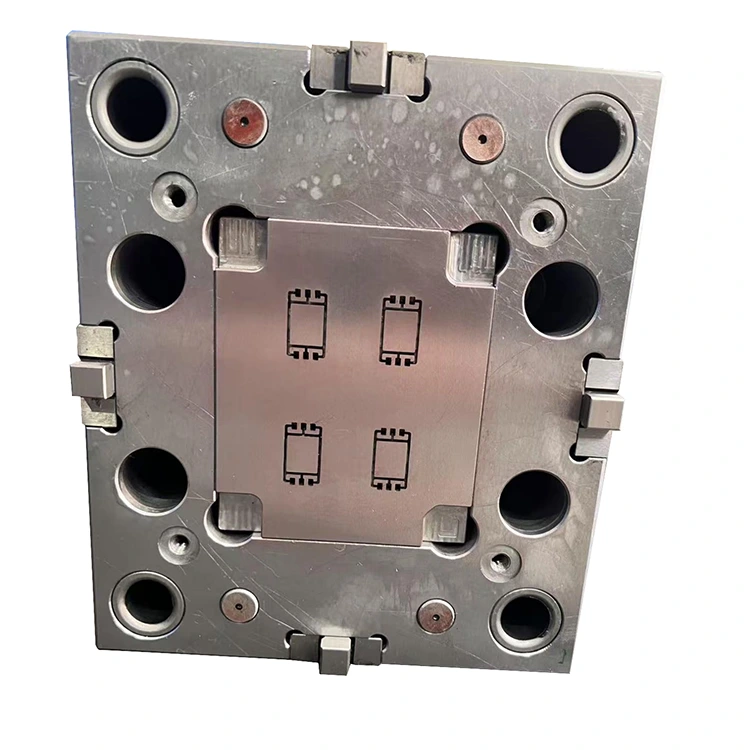
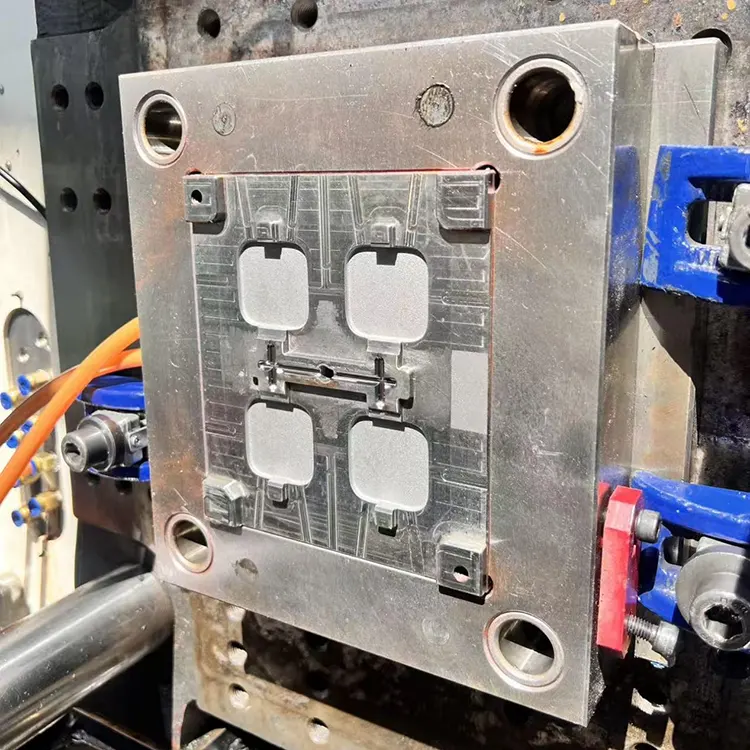
For companies producing thousands or even millions of plastic components, the injection molding system itself becomes an important factor affecting stability. Precision mold solutions, especially Single Injection Molds designed for repeated production, need to balance accuracy, durability, and production efficiency.
Cixi Tengrui Mould Manufacturing Co., Ltd., based in Cixi, Ningbo, has followed these industry changes through years of precision mold development. With experience in automotive parts molds, household appliance molds, and customized plastic components, the company has observed how different mold structures influence production results.
Hot Runner and Cold Runner: What Is the Difference?
Before understanding why hot runner systems are becoming more common, it helps to look at how these two structures work.
A cold runner system uses channels that allow melted plastic material to flow into the mold cavity. After cooling, the runner section becomes solid plastic and is removed together with the finished part. In many cases, this leftover material needs additional processing or recycling.
A hot runner system works differently. The internal channels maintain the temperature of the plastic material, allowing molten plastic to move directly into the cavity without creating solid runner waste.
| Comparison Item | Cold Runner System | Hot Runner System |
|---|---|---|
| Material flow | Plastic cools inside runner channels | Plastic remains melted through heated channels |
| Material waste | More runner waste may occur | Reduced unnecessary material loss |
| Cycle efficiency | Additional cooling time may be required | Faster production rhythm in many applications |
| Mold complexity | Relatively simple structure | Requires more precise design and control |
| Suitable applications | Small or medium production runs | High-volume and precision production |
Neither system is suitable for every situation. The choice depends on part design, production quantity, material selection, and quality requirements.
Why High-Volume Production Is Moving Toward Hot Runner Technology
1. Reducing Material Waste During Large-Scale Production
For industries producing large quantities of plastic parts, material efficiency has become increasingly important.
In cold runner systems, the runner becomes an extra part of the molding process. Although some materials can be recycled, handling additional plastic waste requires extra steps. Over thousands of production cycles, even a small amount of unnecessary material can become significant.
Hot runner technology helps reduce this issue by delivering plastic material directly into the mold cavity. This advantage is especially valuable for applications such as automotive interior components, appliance housings, and precision plastic structures where stable production is required.
2. Improving Production Consistency
Large-volume production requires every molded part to maintain similar dimensions, appearance, and performance.
A well-designed hot runner system can provide more stable material flow because temperature control remains consistent throughout the injection process. This helps reduce variations caused by uneven cooling or changing runner conditions.
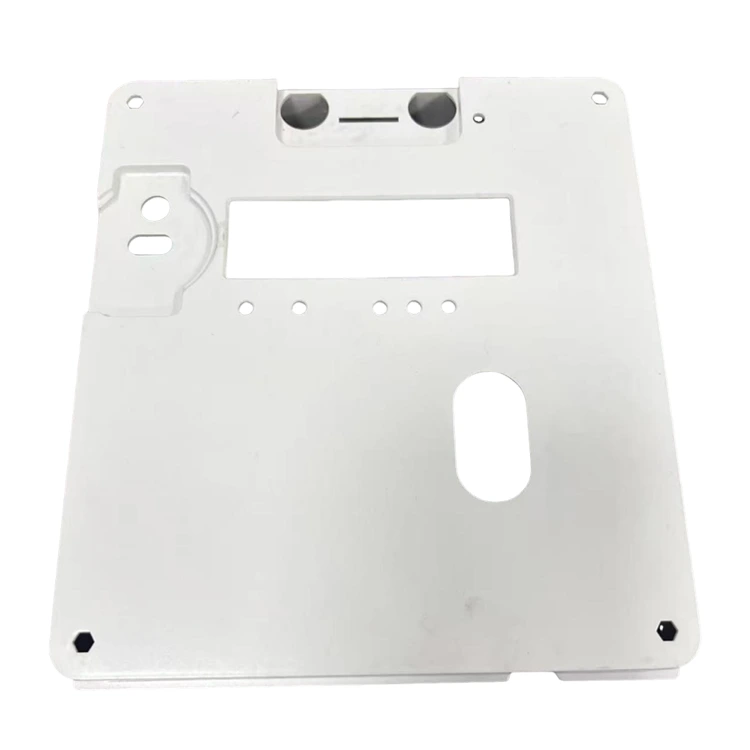
For Single Injection Molds used in precision applications, stable filling performance is an important consideration. Whether producing connectors, control buttons, decorative parts, or appliance components, consistency directly affects final assembly quality.
3. Supporting More Complex Product Designs
Modern plastic products are becoming more complicated. Automotive components often include detailed surfaces, multiple functional areas, and strict appearance requirements. Household appliance parts also require better integration of structure and appearance.
Hot runner systems provide greater flexibility for complex mold designs because the injection points can be arranged according to product requirements.
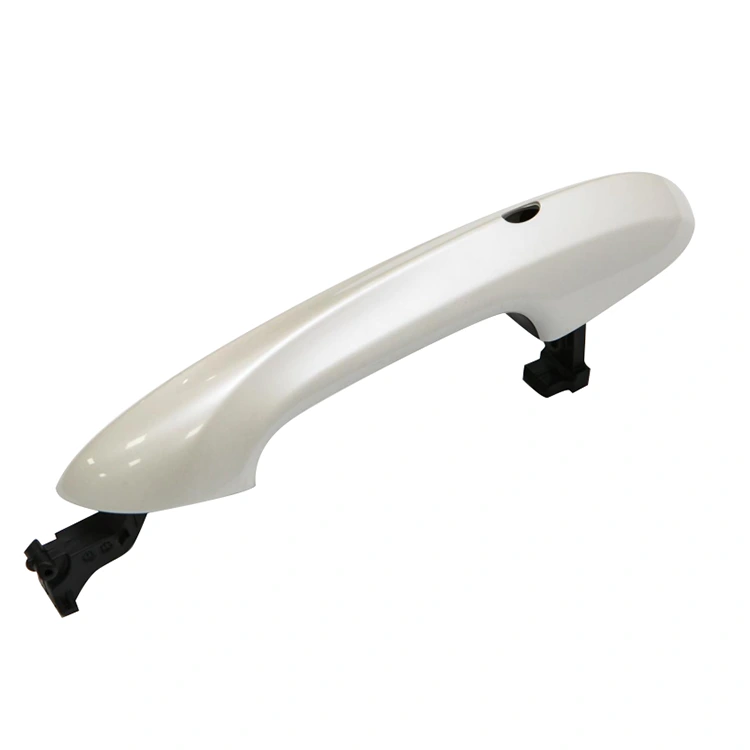
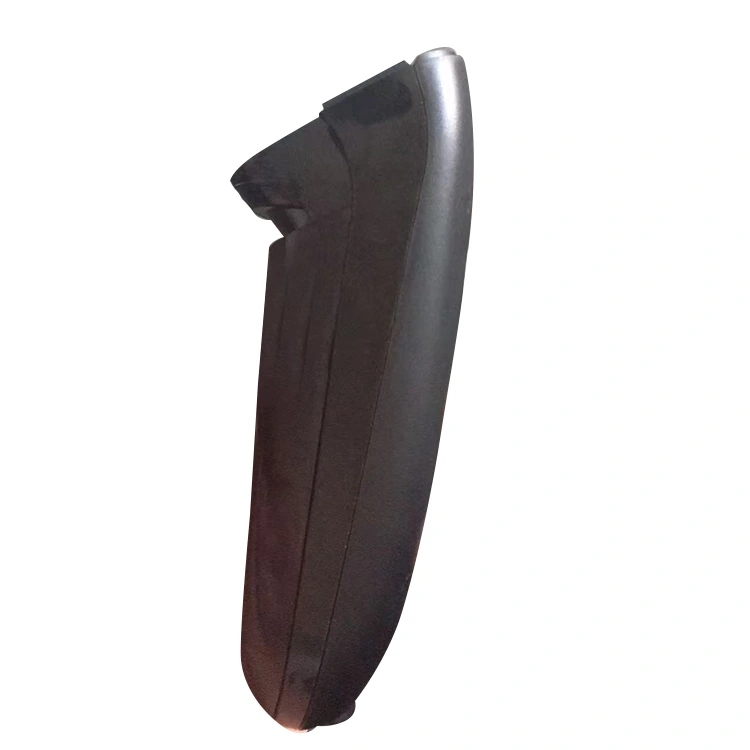
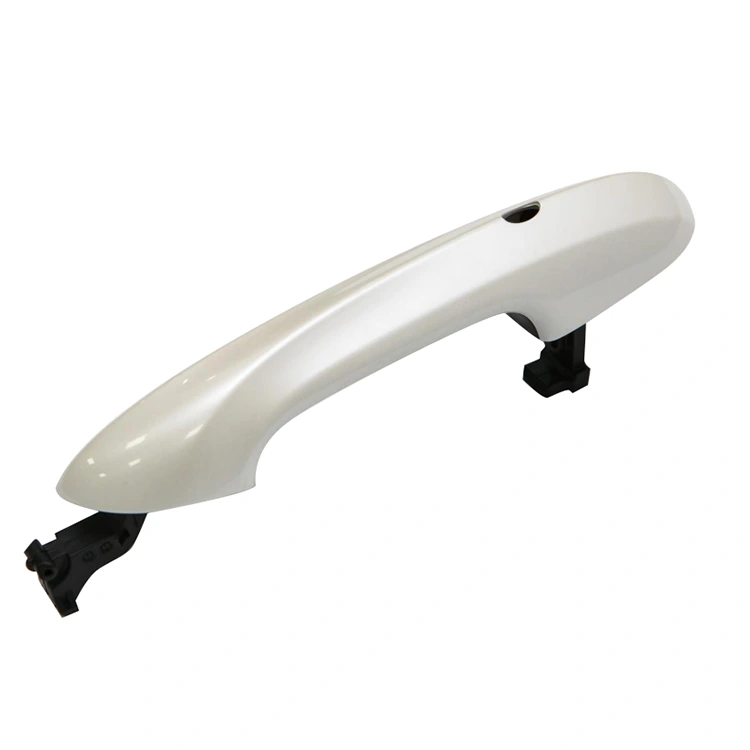
For example, components such as automotive door handles, instrument panel parts, camera brackets, and appliance housings often require careful control of material flow to achieve smooth surfaces and accurate dimensions.
The Role of Precision Mold Design in Hot Runner Applications
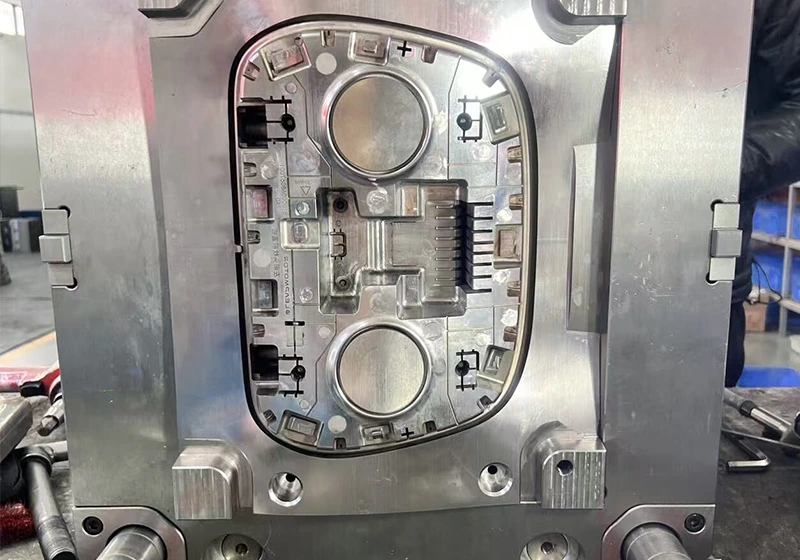
While hot runner systems provide many advantages, their performance depends heavily on mold design and production experience. A hot runner structure is not simply an additional component added to an existing mold. It needs to work together with the mold cavity design, cooling system, injection parameters, and material characteristics.
For precision plastic parts, small design differences can influence the final result. Problems such as uneven filling, surface marks, dimensional changes, or difficult demolding may appear if the mold structure is not carefully planned.
| Mold Development Stage | Main Focus | Production Value |
|---|---|---|
| Product analysis | Understanding structure, appearance, and functional requirements | Helps avoid design risks before processing |
| Mold flow analysis | Predicting filling behavior and possible issues | Improves filling balance and reduces trial adjustments |
| Precision machining | Maintaining accurate cavity and component dimensions | Supports consistent product quality |
| Trial molding | Checking actual production performance | Allows optimization before full production |
| Final inspection | Verifying mold stability and part performance | Ensures long-term production reliability |
How Hot Runner Systems Address Common Production Challenges
Managing Increasing Production Volumes
As product demand grows, mold systems need to operate reliably for longer periods. A mold used for automotive parts or household appliances may need to complete hundreds of thousands of cycles during its service life.
Hot runner systems can support continuous production by reducing unnecessary runner removal processes. This makes them suitable for applications where production speed and repeatability are important.
Maintaining Product Appearance
Appearance quality has become an important factor for many plastic products. Visible marks, uneven surfaces, or color differences can affect the final product experience.
Automotive interior parts, appliance shells, and decorative plastic components often have strict appearance requirements. Proper gate location design and controlled material flow are essential to achieving a clean surface finish.
Balancing Efficiency and Investment
Compared with simple cold runner structures, hot runner systems usually involve more complex components and require experienced technical support.
When production volume is high, the long-term benefits may include reduced material waste, shorter production cycles, less manual handling, improved production stability, and lower waste management pressure.
Industry Applications Driving Hot Runner Adoption
Automotive Components
Modern vehicles contain a large number of plastic parts. Many components require complex structures, accurate dimensions, and reliable appearance quality.
- Interior trim parts
- Control panels
- Door handles
- Connectors
- Camera brackets
- Decorative components
These parts often require molds that can maintain stable performance during repeated production. In this field, Single Injection Molds are widely used for producing individual precision components with consistent quality.
Household Appliances
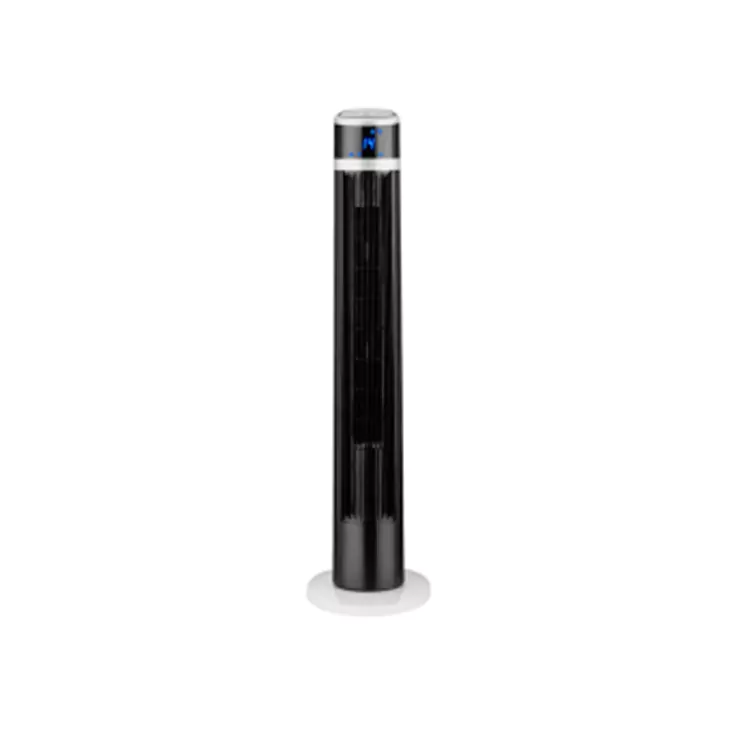
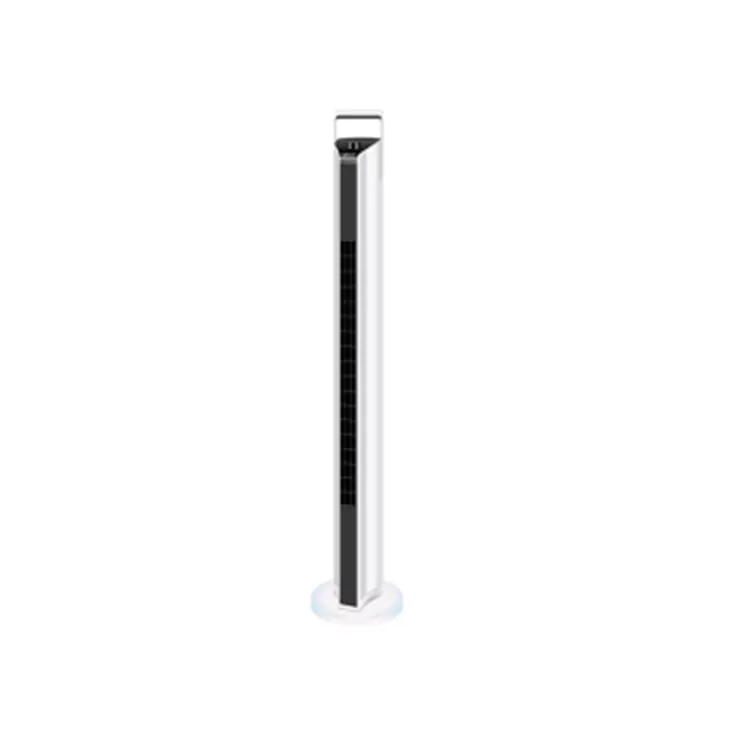
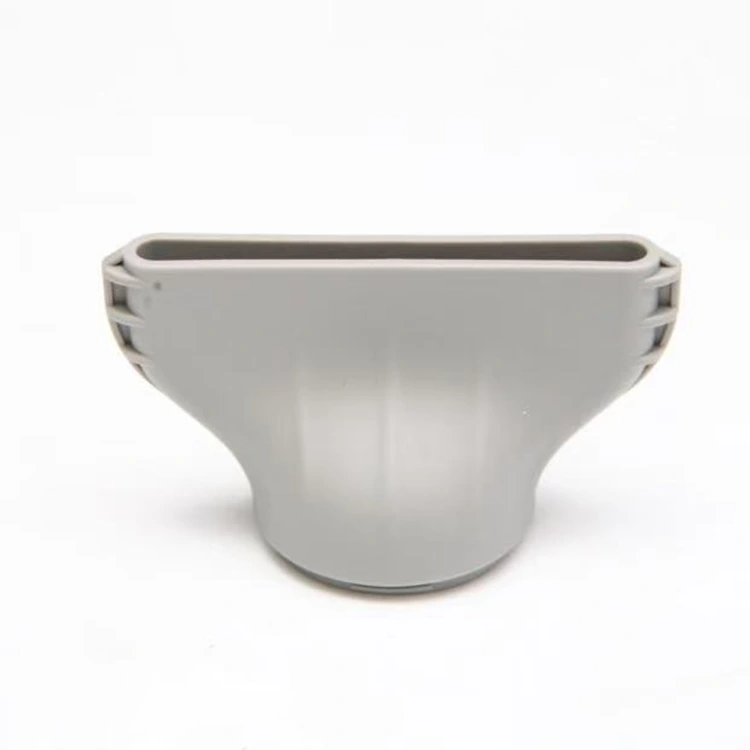
Household appliances also depend heavily on injection molded plastic parts. Products such as hair dryers, electric fans, coffee machines, vacuum cleaners, and air purifiers contain numerous plastic structures that combine appearance and function.
Cixi Tengrui’s Experience in Supporting Precision Injection Projects
Located in Cixi City, Ningbo, Cixi Tengrui Mould Manufacturing Co., Ltd. operates a production base covering approximately 9,000 square meters. The company focuses on precision injection molds, injection molding, product production, and assembly services.
- Mold design and R&D area
- Precision machining area
- Injection molding area
- Product assembly area
- Testing area
Since establishing its mold processing workshop in 2017, the company has continued improving production management, processing capabilities, and technical development. The introduction of mold flow analysis technology and high-precision processing equipment has helped improve mold accuracy and delivery efficiency.
Future Development: More Efficient and Flexible Injection Molding
| Industry Trend | Influence on Injection Mold Development |
|---|---|
| Sustainable production | Encourages reduction of material waste and improved resource efficiency |
| Complex product structures | Requires more advanced mold design capabilities |
| Higher quality expectations | Increases demand for precise processing and inspection |
| Faster product updates | Requires flexible and reliable mold development processes |
Conclusion
The increasing preference for hot runner systems in high-volume injection molds reflects a wider industry movement toward more efficient and stable production methods. By reducing material waste, improving filling consistency, and supporting complex product designs, hot runner solutions have become an important choice for many precision molding applications.
However, the success of any molding system still depends on accurate design, reliable processing, and practical production experience. Companies must consider product requirements, production scale, and long-term operating goals when selecting suitable mold structures.
With its experience in precision mold development, injection molding, and customized plastic components, Cixi Tengrui Mould Manufacturing Co., Ltd. continues to focus on improving molding solutions for automotive, household appliance, and industrial applications. Its expertise in Single Injection Molds and related precision mold technologies reflects the ongoing evolution of modern injection molding toward greater efficiency and reliability.
Related News
- Why Electronic Touchscreen Air Fryer Is Becoming a Smart Kitchen Trend in 2026
- Is Your Automotive Parts Screw Plug Injection Mold Costing You More in Rework Than You Actually Realize?
- Why Is Injection Mold For Car Invisible Door Handle Base Essential For Modern Automotive Manufacturing?
- How Does Automotive Parts Screw Plug Injection Mold Improve Precision and Production Efficiency?
- Why Are Electrical Equipment Injection Molded Products Essential for Modern Industrial Manufacturing?
- What is Automotive Camera LCD Bracket Injection Mold and Its Role in Modern Automotive Display Systems?
Leave me a message