
Why Is Mold Flow Analysis Changing the Development of Single Injection Molds?
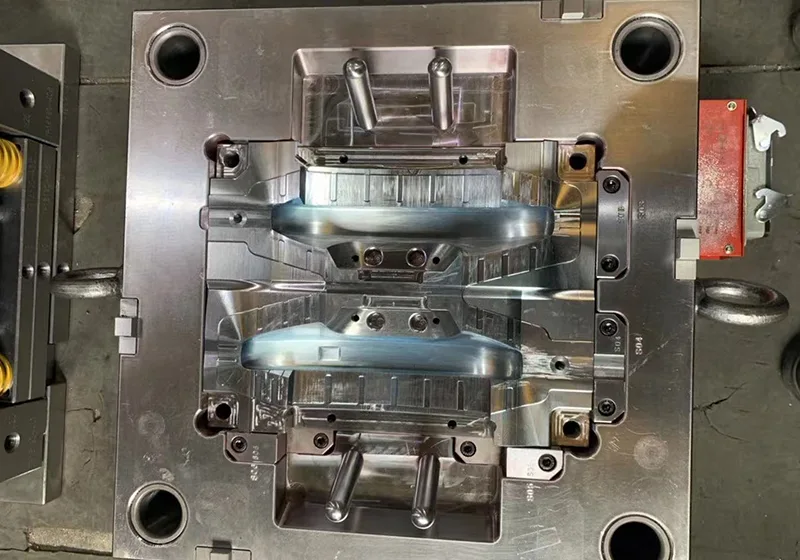
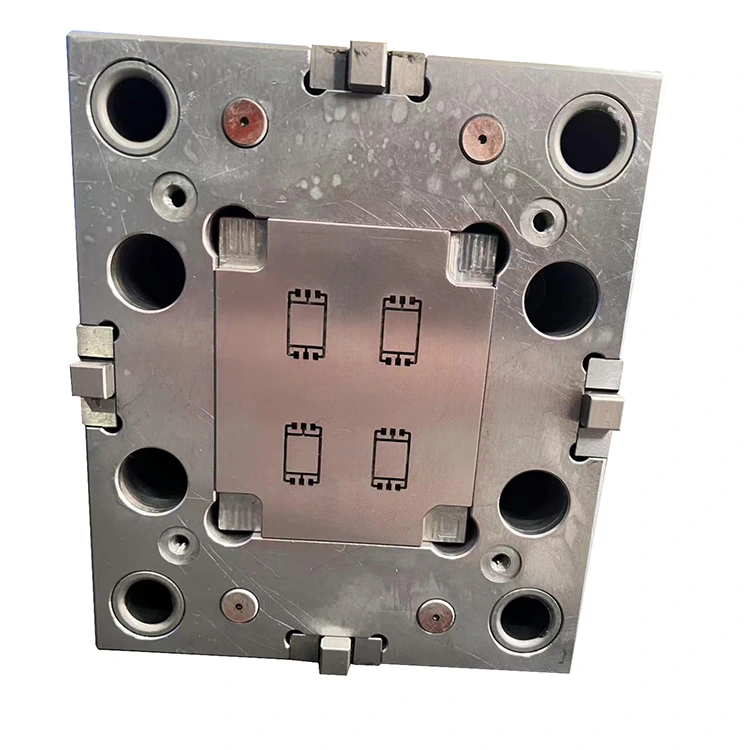
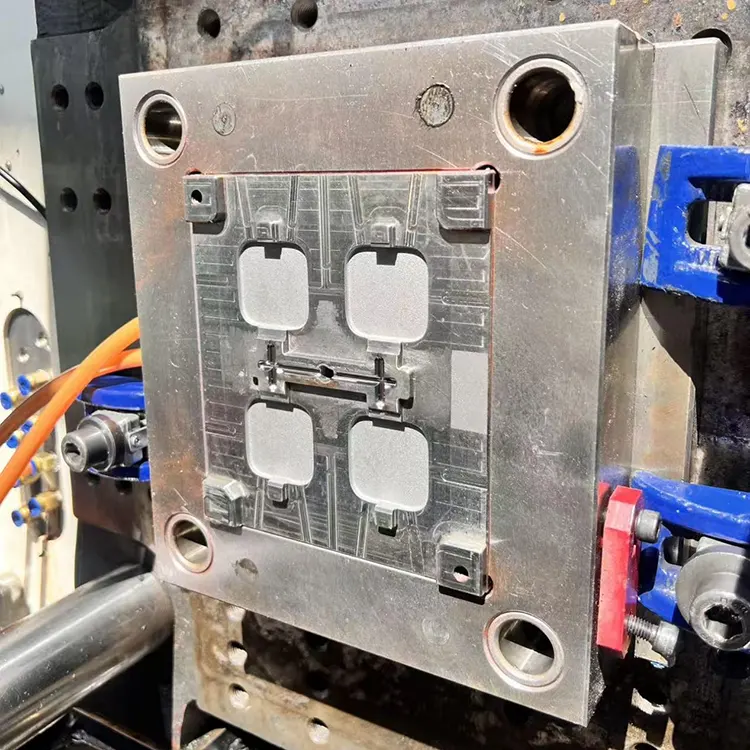
November 2026 — The growing demand for precise plastic components is changing how Single Injection Molds are designed and developed. Mold flow analysis is becoming an increasingly important part of this process, allowing engineers to evaluate how molten plastic moves through a mold before physical production begins.
As plastic parts become more complex and quality requirements become stricter, traditional design methods based mainly on experience and repeated mold trials face greater limitations. Simulation technology offers a way to identify potential production issues earlier, helping reduce unnecessary design changes and improve development efficiency.
From Experience-Based Design to Data-Assisted Decisions
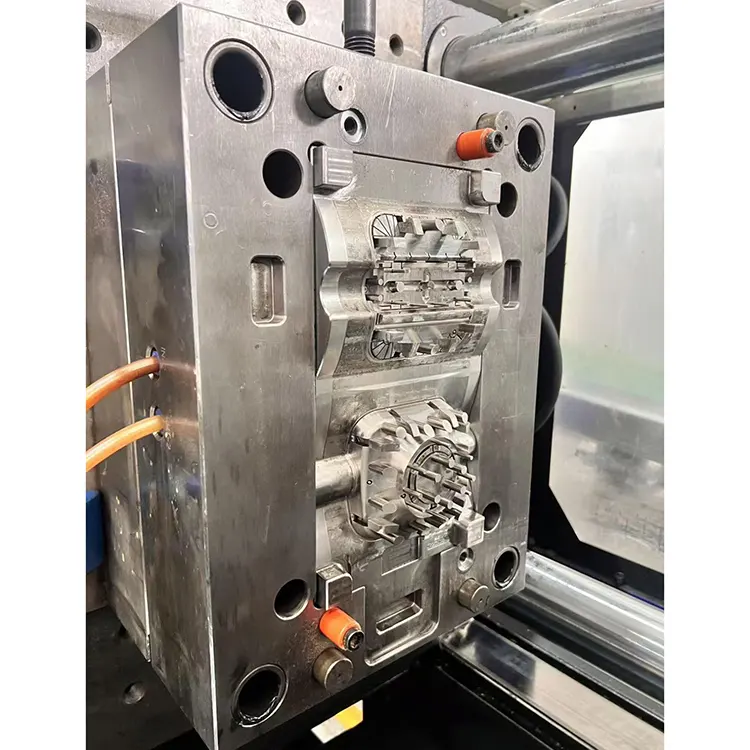
Mold design has traditionally relied heavily on engineering experience, material knowledge and previous production results. These factors remain essential, but they may not fully predict how a specific material will behave inside a new mold structure.
Mold flow analysis uses computer simulation to examine the filling, packing and cooling stages of injection molding. Engineers can study how plastic travels through runners and gates, where pressure may increase, and whether air traps or uneven filling are likely to occur.
This information provides a more detailed basis for evaluating gate positions, wall thickness, runner dimensions and cooling arrangements before machining starts.
Identifying Potential Defects Before Mold Manufacturing
Several common injection molding defects are closely related to material flow and temperature distribution. Short shots, weld lines, sink marks, warpage and air traps can affect both appearance and dimensional accuracy.
Simulation does not eliminate every production risk, but it can reveal conditions that deserve attention during the design stage.
For example, an unsuitable gate position may cause an uneven filling pattern or create weld lines in areas where strength or appearance is important. Uneven cooling may also produce internal stress and dimensional changes after the part is removed from the mold.
By reviewing these results in advance, engineers can adjust the mold structure before manufacturing begins. This can reduce the need for extensive modifications during mold testing.
Why Material Properties Matter in Simulation
The accuracy of mold flow analysis depends partly on the quality of the input data. Different plastics have different viscosity, shrinkage behavior, thermal properties and processing requirements. Even materials within the same polymer family may perform differently because of additives, fillers or grades.
Glass-fiber-reinforced plastics, for instance, may require additional attention to fiber orientation and its influence on part strength and warpage. Materials with different flow characteristics may also require adjustments to injection pressure, melt temperature and gate design.
For this reason, simulation results should be evaluated alongside actual material data and intended processing conditions. A model based on inaccurate assumptions may produce results that do not fully reflect real production behavior.
Integrating Simulation with Mold Design and Testing
Mold flow analysis is most useful when it is integrated into the wider development process rather than treated as a separate technical step.
A typical workflow begins with reviewing the part geometry, material selection and molding requirements. Engineers then establish the initial gate, runner and cooling system designs before running simulations. The results are used to identify possible improvements, which can be incorporated into the mold design before machining.
Physical mold trials remain necessary. Actual production conditions may differ from simulated assumptions, and testing is still required to verify filling behavior, dimensional stability, surface quality and cycle performance.
Combining simulation with machining precision and practical molding experience creates a more reliable development process for Single Injection Molds, particularly when components have demanding dimensional or appearance requirements.
The Role of Mold Flow Analysis in Future Development
As injection-molded components continue to serve automotive, household appliance and electronic applications, development requirements are becoming more specific. Thin-wall structures, integrated features, complex geometries and engineering plastics all place additional demands on mold design.
Simulation tools are also evolving. More detailed material databases, improved cooling analysis and better integration with three-dimensional design software are helping engineers examine more variables during development.
However, software alone cannot replace engineering judgment. Simulation provides predictions, while mold manufacturing and production testing determine whether those predictions hold under actual operating conditions.
The increasing use of digital simulation reflects a broader shift toward more systematic mold development. By identifying potential problems earlier and supporting design decisions with measurable data, Single Injection Molds can be developed with greater attention to filling balance, cooling performance and dimensional consistency.
As this approach becomes more widely adopted, mold flow analysis is likely to remain an important tool connecting product design, mold engineering and stable injection molding production.
Related News
- Why Electronic Touchscreen Air Fryer Is Becoming a Smart Kitchen Trend in 2026
- Is Your Automotive Parts Screw Plug Injection Mold Costing You More in Rework Than You Actually Realize?
- Why Are Hot Runner Systems Increasingly Preferred Over Cold Runners for High-Volume Injection Molds?
- Why Is Injection Mold For Car Invisible Door Handle Base Essential For Modern Automotive Manufacturing?
- How Does Automotive Parts Screw Plug Injection Mold Improve Precision and Production Efficiency?
- Why Are Electrical Equipment Injection Molded Products Essential for Modern Industrial Manufacturing?
Leave me a message
New Products




News Recommendations