
Is Your Automotive Parts Screw Plug Injection Mold Costing You More in Rework Than You Actually Realize?
Cixi Tengrui Mould Manufacturing Co., Ltd. explores how Single Injection Molds for automotive screw plugs help reduce hidden rework costs caused by precision and consistency issues.
Small Mold Problems Can Create Large Production Costs
In automotive plastic component production, rework is often caused by problems that appear minor at the beginning. A small dimensional difference, unstable thread structure, or poor fitting performance may lead to additional inspection, part adjustment, or assembly delays.
Screw plug components are typical examples of parts that require careful mold control. Although their size is usually compact, they often need accurate dimensions, reliable mechanical strength, and stable connection performance. When production volume increases, even a small percentage of defective parts can create noticeable waste in time and materials.
The real cost of a mold is not only the initial development investment. Its long-term influence on production stability, maintenance frequency, and product consistency also plays an important role.
Why Automotive Screw Plug Injection Molds Need Precision
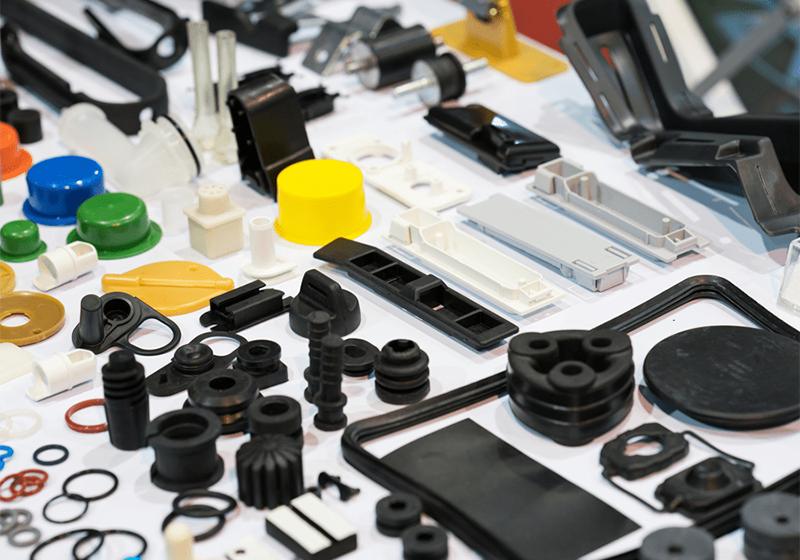
Automotive screw plugs are used in various applications, including protective covers, electrical connections, and mechanical assemblies. These components must fit accurately with other vehicle parts, which means the mold needs to control every important detail.
Common requirements include:
A slight deviation during mold processing can affect the final component. For example, incorrect thread dimensions may cause difficult installation, while uneven cooling may result in deformation.
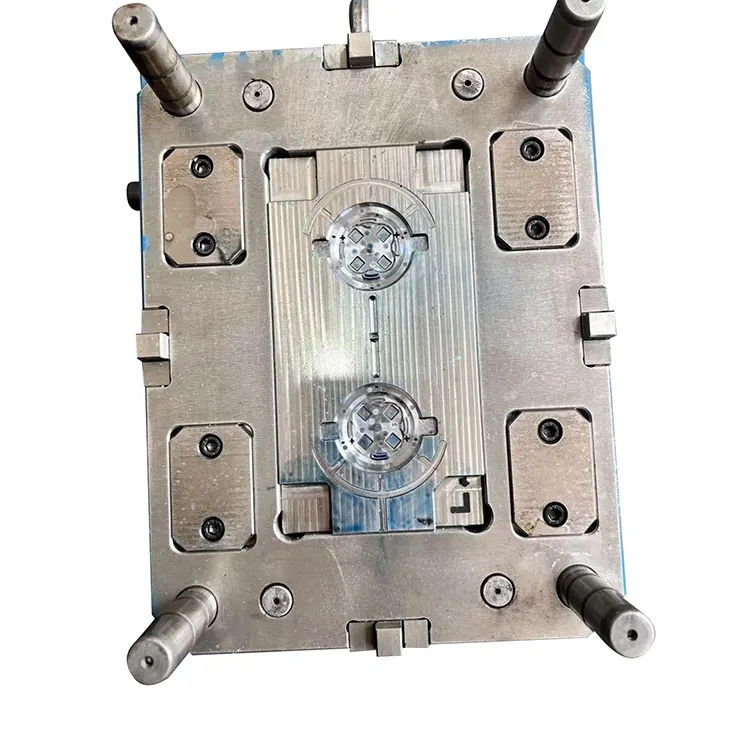
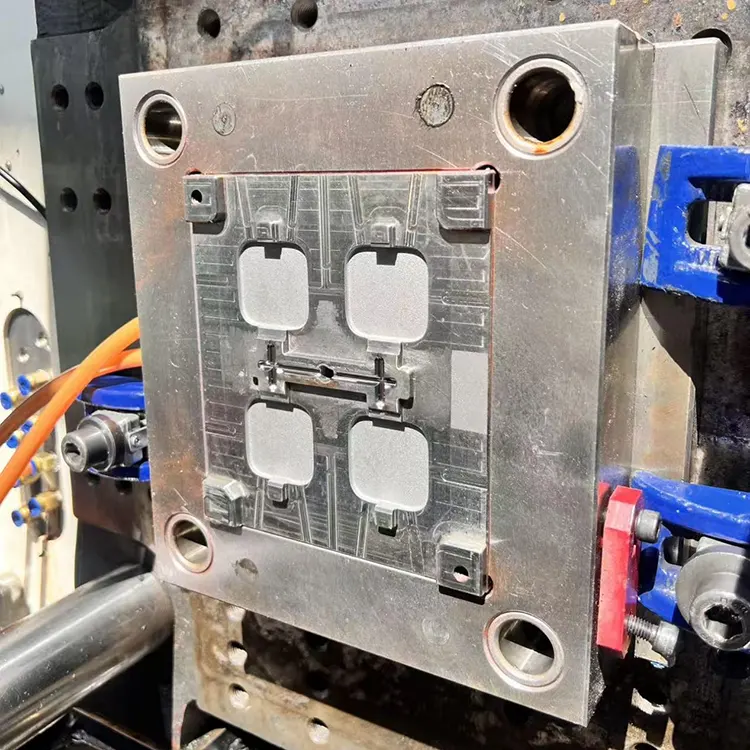
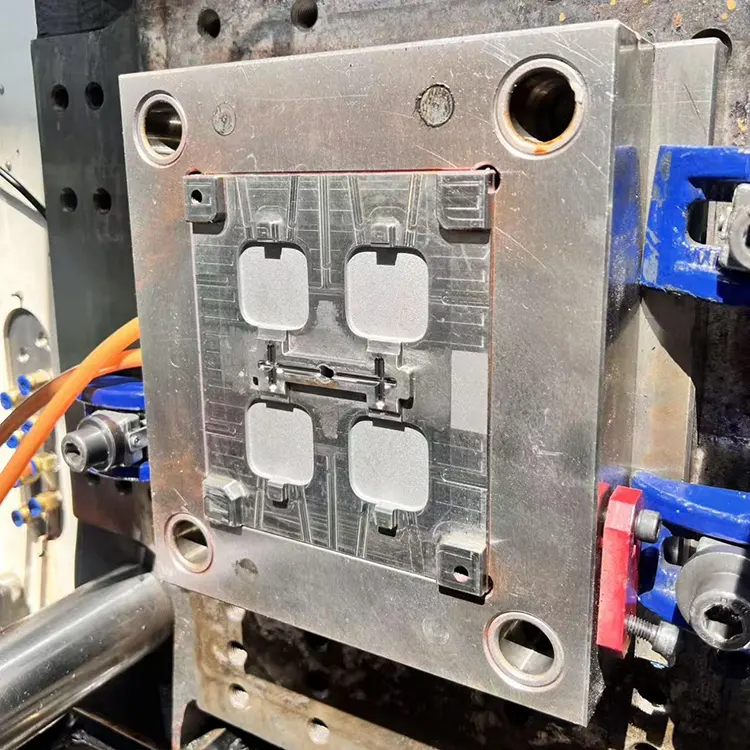
For these applications, Single Injection Molds are designed to produce individual precision components with stable dimensions during repeated molding cycles.
Common Causes of Screw Plug Rework Issues
1. Dimensional Variation During Injection Molding
Plastic materials naturally shrink after cooling. If the mold design does not fully consider material characteristics and shrinkage behavior, the finished part may not match the required specifications.
For screw plug components, dimensional variation can affect:
| Issue | Possible Result |
|---|---|
| Thread size deviation | Difficult assembly or connection problems |
| Uneven wall thickness | Part deformation or reduced strength |
| Incorrect cavity dimensions | Mismatch with other components |
| Surface defects | Additional inspection or correction work |
2. Poor Cooling Design
Cooling performance directly affects part accuracy. When different areas of a plastic component cool at different speeds, internal stress and deformation may occur.
A well-planned cooling system helps maintain stable dimensions and improves production repeatability. This is especially important for automotive components where assembly accuracy is critical.
3. Insufficient Mold Testing
Before entering continuous production, mold testing helps identify possible issues related to filling, appearance, dimensions, and assembly performance.
Important evaluation steps include:
These steps reduce the possibility of discovering major problems after production has already started.
How Precision Mold Development Improves Production Stability
Reducing rework requires more than simply repairing defective parts. The focus should be preventing problems before they happen.
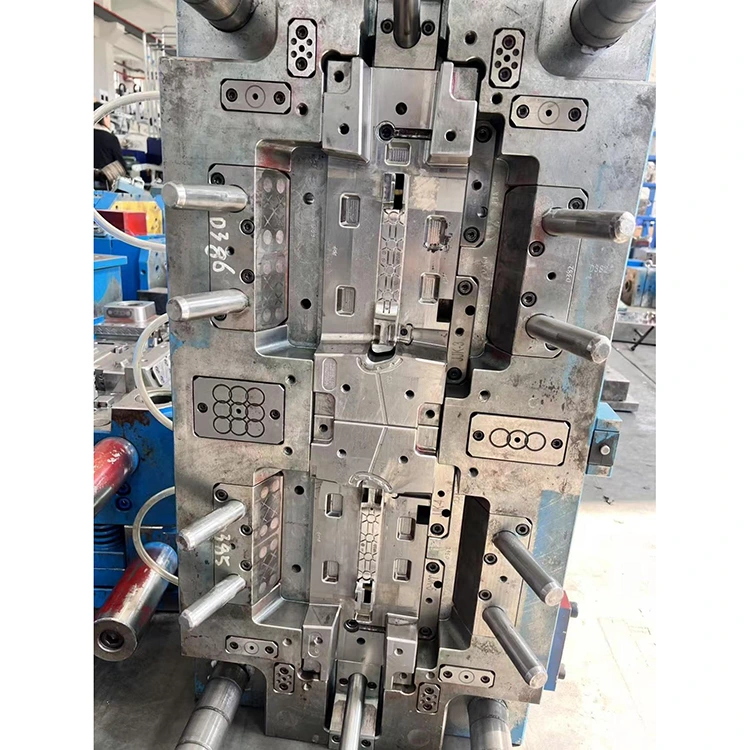
Cixi Tengrui Mould Manufacturing Co., Ltd. has developed experience in automotive molds, household appliance molds, and customized plastic components. The company focuses on precision mold design, machining, injection molding, and product assembly.
Its automotive mold applications include:
These products require stable mold performance because they are commonly used in repeated production environments.
Key Factors Affecting Automotive Mold Performance
When developing a screw plug injection mold, several factors influence final production results.
| Factor | Production Impact |
|---|---|
| Mold material selection | Affects wear resistance and service stability |
| Machining accuracy | Determines cavity and component precision |
| Cooling structure | Influences deformation control |
| Injection parameters | Affects filling quality and consistency |
| Inspection process | Helps identify potential issues early |
A balanced approach between design, processing, and testing can significantly improve production efficiency.
Cixi Tengrui’s Precision Mold Manufacturing Experience
Located in Cixi City, Ningbo, Cixi Tengrui Mould Manufacturing Co., Ltd. operates a production base of approximately 9,000 square meters, covering mold design, precision machining, injection molding, assembly, and testing areas.
Since establishing its mold processing workshop in 2017, the company has continued improving its technical capabilities and production management. The introduction of mold flow analysis technology and high-precision equipment has supported better mold accuracy and production efficiency.
By combining design analysis with practical manufacturing experience, the company develops mold solutions that focus on stable production performance rather than short-term adjustments.
Future Development of Automotive Injection Mold Technology
As automotive components become more precise and lightweight, injection mold technology continues to develop toward higher accuracy and better production control.
Future trends include:
| Trend | Impact |
|---|---|
| Higher precision requirements | More attention to mold processing accuracy |
| Complex component structures | Greater demand for advanced mold design |
| Production efficiency improvement | Need for stable and repeatable molding processes |
| Quality control improvement | Earlier detection of production risks |
Conclusion
Automotive screw plug production problems are often caused by small details that become costly during large-scale manufacturing. Mold precision, cooling balance, material control, and testing procedures all influence whether rework occurs later.
A well-developed injection mold helps reduce unnecessary adjustments, improve production consistency, and support reliable automotive component manufacturing.
With experience in precision mold development and plastic component production, Cixi Tengrui Mould Manufacturing Co., Ltd. continues to focus on automotive applications, including Automotive Parts Screw Plug Injection Mold and other precision Single Injection Molds designed for stable production performance.
Related News
- Why Electronic Touchscreen Air Fryer Is Becoming a Smart Kitchen Trend in 2026
- Why Are Hot Runner Systems Increasingly Preferred Over Cold Runners for High-Volume Injection Molds?
- Why Is Injection Mold For Car Invisible Door Handle Base Essential For Modern Automotive Manufacturing?
- How Does Automotive Parts Screw Plug Injection Mold Improve Precision and Production Efficiency?
- Why Are Electrical Equipment Injection Molded Products Essential for Modern Industrial Manufacturing?
- What is Automotive Camera LCD Bracket Injection Mold and Its Role in Modern Automotive Display Systems?
Leave me a message