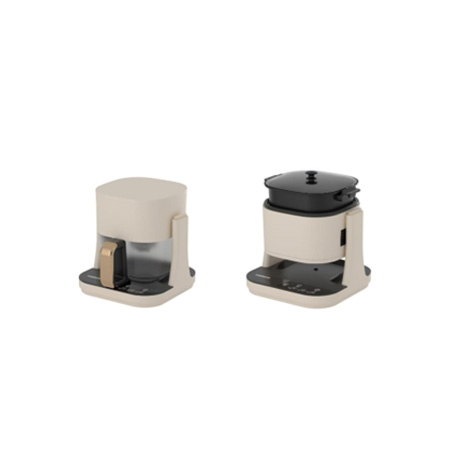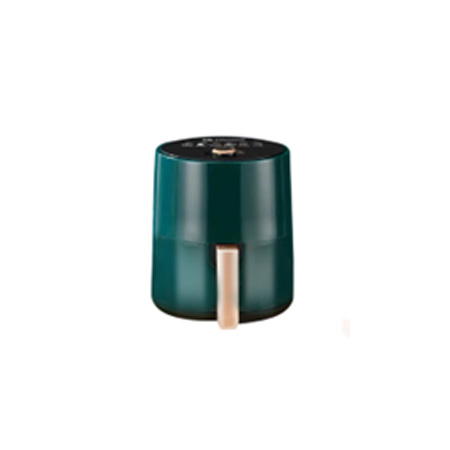

The rise of Electronic Touchscreen Air Fryer reflects a wider shift toward smarter, easier, and more flexible cooking experiences as modern kitchens embrace digital control and healthier meal preparation.
Smart Kitchen Development Is Changing Everyday Cooking
The kitchen has become one of the most active areas for household technology innovation. In recent years, consumers have moved beyond simply looking for appliances that complete basic cooking tasks. They increasingly expect products to provide easier operation, more accurate control, and better adaptation to different cooking habits.
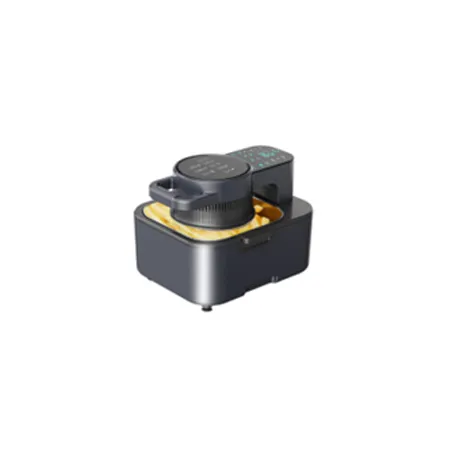
Among small kitchen appliances, the Electronic Touchscreen Air Fryer represents this transition from mechanical operation to digital interaction. Instead of relying only on traditional buttons or manual adjustment, touchscreen interfaces allow users to select cooking modes, adjust temperature, and monitor cooking progress through a more intuitive control system.
The growth of smart kitchen concepts does not mean every appliance must become fully connected. Instead, many developments focus on practical improvements that make daily cooking simpler. Touchscreen panels, preset programs, improved temperature management, and clearer user interfaces are becoming common directions in appliance design.
Why Touchscreen Control Is Gaining Attention
Traditional kitchen appliances often require users to manually adjust several settings before cooking. While this approach is functional, it may not always provide the most convenient experience, especially for people who want faster preparation or more consistent results.
Electronic touchscreen systems provide several practical advantages:
| Feature Development | Impact on Daily Cooking |
|---|---|
| Digital temperature adjustment | Allows more accurate cooking control |
| Preset cooking programs | Reduces the need for repeated manual settings |
| Touch interface | Provides easier operation and clearer feedback |
| Multiple cooking modes | Supports different food preparation methods |
| Visual display information | Helps users understand cooking progress |
The appeal of touchscreen control comes from its familiarity. Many people already use smartphones, tablets, and digital devices daily, making touch-based interaction a natural extension into kitchen appliances.
Healthier Cooking Trends Continue Driving Air Fryer Innovation
One of the reasons air fryers remain popular is their ability to provide crispy textures with less dependence on traditional deep frying methods. As more households focus on balanced diets and convenient meal preparation, air fryer technology continues to evolve.
The Electronic Touchscreen Air Fryer fits into this trend by making cooking settings easier to manage. Users can select programs for different food types, adjust cooking conditions, and achieve more consistent results without needing extensive cooking experience.
Modern air fryer development is also moving toward multifunctional designs. Many new models combine air frying with baking, roasting, reheating, and dehydration functions, allowing one appliance to support more cooking scenarios in limited kitchen spaces.
From Simple Appliance to Digital Cooking Assistant
The next generation of kitchen appliances is not only focused on adding more functions but also improving the interaction between users and machines.
For Electronic Touchscreen Air Fryer products, several development trends are becoming more visible:
More Intelligent Cooking Programs
Preset cooking modes help simplify common tasks such as preparing vegetables, meat, snacks, or frozen foods. These programs reduce the need for users to remember exact temperature and time combinations.
However, the industry trend is moving toward practical intelligence rather than unnecessary complexity. Smart features are becoming more valuable when they solve real cooking challenges instead of simply adding additional settings.
Better User Interface Design
A clear interface is becoming an important part of appliance design. A touchscreen display can show cooking time, temperature, selected mode, and progress status in a more direct way.
This is particularly useful for users who prefer visual guidance rather than reading complicated instructions.
Integration with Smart Home Concepts
Connected kitchen technology continues developing, including Wi-Fi-enabled appliances, mobile applications, and voice interaction features. However, the most effective smart features are those that improve convenience without making operation dependent on additional devices.
Design Improvements Behind Modern Air Fryers
The evolution of Electronic Touchscreen Air Fryer is not only about the control panel. Internal engineering and product design are also changing.
Important areas of improvement include:
| Design Area | Development Direction |
|---|---|
| Heating technology | More stable heat distribution |
| Air circulation | Improved cooking consistency |
| Interior structure | Easier cleaning and maintenance |
| Capacity design | Better suitability for different households |
| Energy management | More efficient operation |
Better airflow systems and temperature control help improve cooking results, while thoughtful structural design improves user experience.
The Role of User Experience in Appliance Development
In the past, appliance development often focused mainly on technical specifications. Today, user experience has become an important factor influencing product evolution.
A successful kitchen appliance needs to consider:
- How quickly users can understand operation
- Whether settings are easy to adjust
- Whether cleaning is convenient
- Whether cooking results are repeatable
- Whether the appliance fits modern lifestyles
The Electronic Touchscreen Air Fryer demonstrates how household appliances are becoming more focused on interaction and usability. The goal is not simply to add digital components, but to create a smoother connection between technology and everyday activities.
Future Outlook for Smart Cooking Appliances
The smart kitchen trend is expected to continue developing as consumers look for appliances that combine convenience, efficiency, and flexibility. Future products may place more emphasis on adaptive cooking programs, improved sensors, energy efficiency, and more personalized user experiences.
At the same time, practical design will remain important. Consumers are likely to continue valuing appliances that are easy to operate and deliver consistent performance rather than relying only on advanced features.
The development of Electronic Touchscreen Air Fryer reflects this balance between technology and everyday usability. It represents a broader movement in the kitchen appliance industry where digital control, healthier cooking methods, and user-friendly design are becoming increasingly connected.
As smart kitchen concepts continue expanding in 2026 and beyond, Electronic Touchscreen Air Fryer technology shows how traditional cooking appliances are adapting to modern expectations through better control, improved functionality, and more convenient cooking experiences.